In the growing movement to increase housing affordability and accessibility, ADUs in historic districts are gaining popularity as a sustainable solution. However, navigating the complex web of legal expertise and local regulations can be a significant hurdle for homeowners and developers. This article guides you through the essential steps of finding reliable local experts for your ADU project in historic districts. From understanding zoning codes and historic preservation societies to engaging architects and general contractors with a proven track record, we'll provide actionable insights to ensure your project complies with all regulations while delivering high-quality results.
- Understanding ADU Regulations in Historic Districts
- Identifying Local Experts for Your ADU Project
- Evaluating Architectural and Construction Firms
- Researching Historic District-Approved Contractors
- Engaging Community-Based Design Consultants
- Verifying Licenses and Insurance for ADU Professionals
- Seeking Referrals from Local Historic District Groups
- Comparing Costs and Services for ADU Specialists
- Building Relationships with Trusted Historic District Resources
Understanding ADU Regulations in Historic Districts

Navigating the regulatory landscape of ADUs in historic districts is a critical step in any project. These areas, rich in architectural and cultural heritage, come with unique building codes and design guidelines aimed at preserving their character. Understanding these regulations is essential to ensure your ADU (Accessory Dwelling Unit) project aligns with local laws and contributes positively to the neighborhood.
In historic districts, ADU construction and design must respect the surrounding environment. Local building departments and zoning boards often have specific guidelines for these projects. They might dictate the placement, size, and materials used to minimize disruption to the historic fabric of the district. Soundproofing is a key consideration, especially in urban areas where noise from ADUs can impact nearby historic properties. Cost-effective construction tips, such as utilizing locally sourced materials and energy-efficient design, can help balance the preservation goals with budget constraints.
The process begins with consultation. Engaging with local historic preservation societies and community organizations can offer invaluable insights into the district's unique requirements. They can connect you with experts like architects and general contractors who specialize in ADUs within historic contexts. Online forums and local support groups provide a platform to share experiences and learn from fellow homeowners. Online directories specific to historic district ADUs can be a goldmine of resources, offering tailored guidance and a network of local professionals.
Community buy-in and environmental considerations are also integral parts of the ADU-in-historic-districts process. Local governments often have initiatives to promote affordable housing and sustainable development, which can include ADU projects. Engaging with these initiatives not only supports the community but also aligns with the green building practices that preserve both the building and the environment.
Identifying Local Experts for Your ADU Project
Finding local experts for your ADU project in historic districts is a crucial step towards a successful and compliant construction process. These districts, with their unique architectural and cultural significance, often have specific regulations and design guidelines that must be respected. Therefore, engaging professionals who specialize in ADUs within these contexts is essential.
The first step in identifying these experts involves understanding the local landscape. Every historic district is different, with its own set of zoning codes and preservation societies that oversee development. In many districts, any new construction or renovation must adhere to the original architectural style. This means that ADU projects in these areas often require professional ADU consultation services that can navigate these complex regulations. Architects and general contractors who have experience with historic properties can provide invaluable guidance on design, materials, and construction methods that respect the district's character.
For interior design for historic homes, the focus shifts from modern aesthetics to preserving or enhancing the building's original character. This might involve working with designers who have a deep understanding of the period and style of the property. For emergency housing solutions in historic neighborhoods, a balanced approach is crucial. While temporary housing is a legitimate need, it should be designed and implemented in a way that minimizes the impact on the neighborhood's historic integrity. Local support groups and community workshops can offer guidance on these considerations, ensuring that projects remain sensitive to the district's unique character.
Online directories and forums can be excellent resources for connecting with these professionals. They often feature reviews and case studies that demonstrate a firm's expertise in ADUs within historic districts. Local governments and community organizations often provide resources and guidelines for property owners considering ADU projects. Utilizing these tools can help you make informed decisions and ensure your project aligns with the district's preservation goals.
Evaluating Architectural and Construction Firms

When navigating the process of building an Accessory Dwelling Unit (ADU) in a historic district, evaluating architectural and construction firms is a critical step. These districts often have unique building regulations and design guidelines, necessitating experts who understand the specific constraints and opportunities. Look for firms with experience in ADU design ideas for small spaces tailored to the character of these districts. They should be adept at balancing the preservation of historic elements with modern comforts and efficient layouts.
In these areas, where affordable housing initiatives may be a priority, cost-effective ADU construction tips are invaluable. Consider firms that offer innovative solutions and sustainable building practices. Some contractors specialize in emergency ADU solutions, ideal for quick installations while adhering to local zoning codes and historic preservation societies' guidelines. The goal is to find a team that can manage the project efficiently while respecting the district's unique identity.
A local architectural firm specializing in ADUs might collaborate with a general contractor known for its green building practices. This partnership could result in an affordable, energy-efficient ADU that fits seamlessly into the historic fabric of the neighborhood. Engage with professionals who not only understand the technical aspects but also have a keen eye for community dynamics and environmental impact. Online forums, local support groups, and community workshops can be excellent resources for finding and evaluating these experts.
Researching Historic District-Approved Contractors

When embarking on an ADU project in a historic district, finding contractors familiar with both modern construction and the unique preservation requirements is crucial. These professionals understand the delicate balance between integrating new structures seamlessly into historic neighborhoods and adhering to stringent local regulations. The challenge lies in identifying local ADU contractors who possess the expertise and licenses to navigate these complex issues.
Local building departments and zoning boards are your first port of call. They can provide insights into the specific licensing requirements for ADU construction within the historic district. Each area may have unique rules, and understanding these is essential for a smooth project timeline. Some jurisdictions may mandate that contractors have specialized training in historic preservation or be approved by local historic societies. Engaging with these authorities early ensures your chosen contractor complies with all necessary requirements, avoiding potential delays or penalties.
Cost-effective ADU construction in historic districts requires a strategic approach. While the initial costs may seem higher due to the specialized nature of the work, there are ways to stay within budget. Consider exploring local incentives and grants aimed at encouraging affordable housing initiatives in historic neighborhoods. Engaging with community organizations and workshops can provide valuable insights into cost-saving measures specific to the area, ensuring your project aligns with both your budget and the district's character.
Engaging Community-Based Design Consultants
When navigating the complex world of ADU construction in historic districts, engaging with community-based design consultants can be a strategic and valuable move. These experts not only understand the unique character of historic areas but also possess a deep knowledge of local regulations, often serving as a bridge between homeowners and local authorities.
In the context of ADU rental market analysis in historic areas, a community-based design consultant can help you navigate the specific demands of the market. They can advise on the most suitable design and layout for maximizing rental income while preserving the building's historical integrity. They might suggest creative interior design solutions for ADU in historic homes, such as incorporating period details with modern comforts. Top-rated ADU builders in your area, often recommended by these consultants, can bring your vision to life while adhering to strict historical preservation guidelines.
Community-based consultants also play a crucial role in mitigating the environmental impact of ADU projects. They can guide you through green building practices, ensuring your project is not only aesthetically pleasing but also sustainable. Engaging with local support groups and workshops, often organized by these experts, can provide invaluable hands-on learning and networking opportunities. These forums are where you can connect with fellow homeowners, architects, and contractors who have successfully navigated similar projects, sharing insights and best practices.
Remember, these consultants are not just experts in ADU construction; they are also advocates for the community and its unique character. They understand the importance of maintaining the historical fabric of historic districts, ensuring that your project contributes positively to the area's cultural and architectural heritage. By engaging their services, you not only gain access to a wealth of knowledge but also contribute to the preservation of a unique urban landscape.
Verifying Licenses and Insurance for ADU Professionals
Verifying the credentials of professionals involved in your ADU project in historic districts is a crucial step to ensure safety, quality, and compliance with local regulations. When undertaking an affordable ADU in these areas, you're not just adding space; you're contributing to the preservation of a unique architectural heritage. This necessitates a thorough examination of the licenses and insurance carried by the experts you hire.
In historic districts, where every structure is a sign of the area's past, it's essential to work with professionals who understand the nuances of these environments. This includes architects and general contractors who are familiar with the local design guidelines and building codes. Electrical safety checks in ADUs should be handled by certified professionals who can ensure compliance with modern safety standards while respecting historical structures. Similarly, affordable HVAC systems for 1-3 room additions should be chosen with an eye towards both energy efficiency and the preservation of the building's original character.
To verify a professional's credentials, start with their local building department. They can confirm if the contractor or designer holds the required licenses for the type of work they'll be performing. Many cities also maintain online directories of licensed professionals, making it easier to check their standing. Local zoning boards and historic preservation societies can offer insights into the professional's track record and their adherence to community guidelines. This due diligence is paramount, as subpar work or non-compliance with regulations can lead to costly repairs or legal issues down the line.
By ensuring that your chosen experts are properly licensed and insured, you safeguard your investment and the integrity of your historic district. This includes checking for comprehensive general liability insurance and workers' compensation coverage, which protect against unforeseen incidents and their associated costs. Remember, in the world of ADUs in historic districts, the right professional with the right credentials can make all the difference between a successful project and a costly mistake.
Seeking Referrals from Local Historic District Groups
When undertaking a project in a historic district, leveraging local expertise is crucial for achieving both compliance and excellence. One valuable resource is the network of groups dedicated to preserving these unique areas. These organizations can offer a wealth of knowledge, from understanding specific zoning codes to promoting designs that honor the district's character.
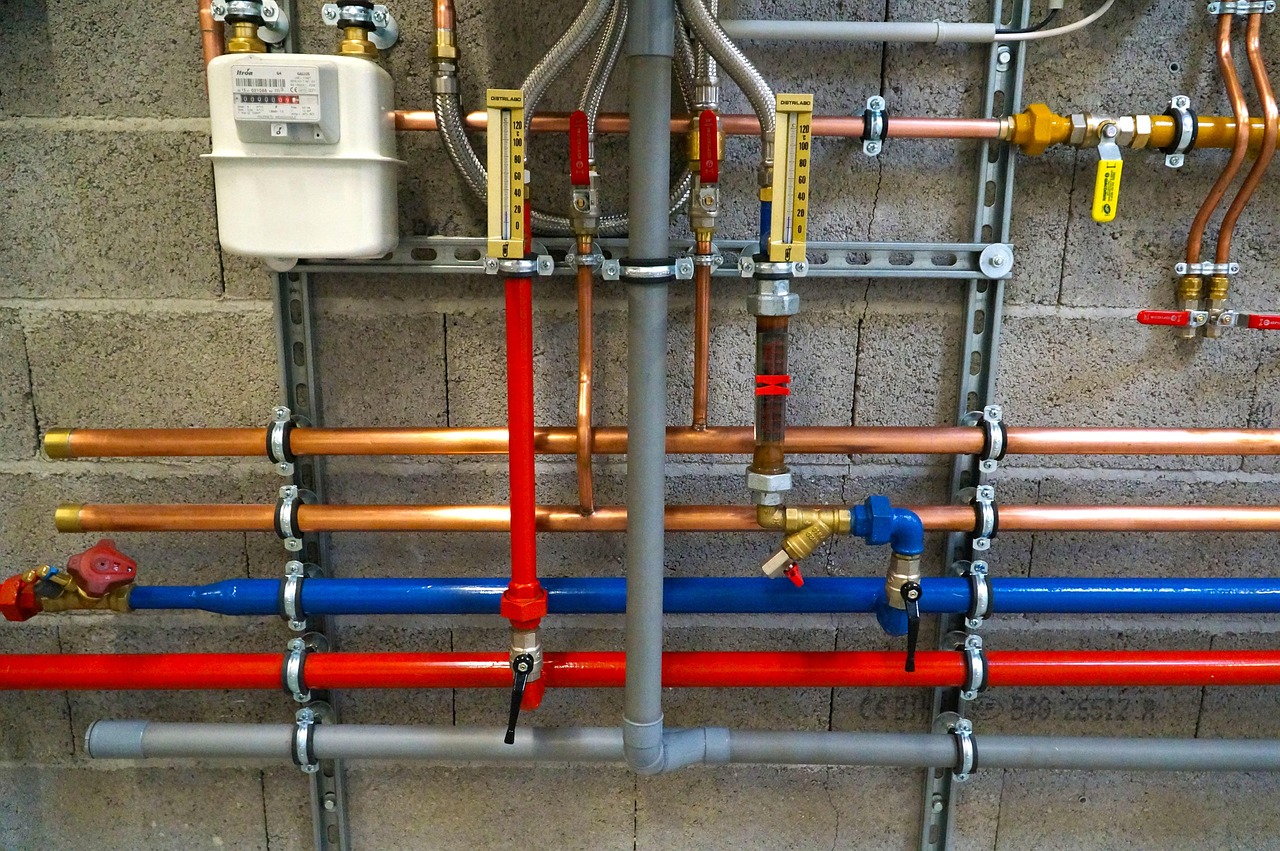
Community organizations, like historic preservation societies, often maintain robust networks of trusted professionals. They can refer you to architects specializing in ADU designs that complement the surrounding architecture, or general contractors who have experience with the unique requirements of historic ADUs. These groups might connect you with a window supplier known for providing top-quality ADU windows that meet both preservation and energy efficiency standards. Similarly, they can direct you to reliable plumbing services that understand the importance of discreet installations in these tight spaces.
Engaging with these local groups provides an opportunity to learn about successful ADU installations within the historic district. They can offer insights into best practices for preserving the district's integrity while enhancing your property with a new ADU. Remember, these organizations are invested in the district's future, so their recommendations are likely to align with both regulatory requirements and the district's overall aesthetic vision.
Comparing Costs and Services for ADU Specialists

When planning an ADU project in a historic district, comparing costs and services from local specialists is crucial. The unique requirements of these areas, with their specific ADU permitting regulations and design guidelines, necessitate experts who understand both the architectural nuances and the legal framework. Engaging trusted ADU renovation experts who are familiar with the historic preservation process can save you time and potential fines. These professionals can offer cost-effective ADU construction tips tailored to these districts, leveraging local knowledge to enhance energy efficiency without compromising historical integrity.
Start by assessing the scope of work and gathering quotes from multiple specialists. Request detailed proposals outlining their experience with ADU projects in historic districts, the services they offer, and estimated costs. Compare not just price, but also the breadth of services, their understanding of local permitting processes, and their commitment to preserving the district's character. Some contractors may specialize in adaptive reuse, while others focus on sustainable construction practices aligned with green building standards often required in these areas.
Online directories and local support groups can be valuable resources for finding specialists. Engaging with community organizations and local governments can also provide insights into recommended or approved contractors who have a proven track record in historic districts. Remember, the goal is to find a balance between cost-effectiveness and experts who will treat your project with the care it deserves, ensuring a harmonious addition to the historic fabric of your community.
Building Relationships with Trusted Historic District Resources
When navigating the complexities of ADU construction in historic districts, building strong relationships with local resources is paramount. These districts often have stringent regulations and unique architectural styles that require specialized knowledge. Engaging with the local ADU community support groups is a strategic first step. These groups serve as hubs for information sharing, offering insights into the specific challenges and opportunities within your area. They can connect you with experienced architects, preservationists, and contractors who have a deep understanding of the district's character and the necessary permits.
Joining a local support group might introduce you to a certified electrician who specializes in ADU renovations. This expert could conduct top-quality ADU windows installations, ensuring your project complies with both historical preservation and modern safety standards. Similarly, they could perform certified ADU electrical safety checks, identifying potential hazards and offering solutions that respect both the building's age and contemporary safety regulations. These professionals often have extensive experience working within the unique parameters of historic districts, providing both practical knowledge and peace of mind.
Beyond individual experts, engaging with local building departments and zoning boards is crucial. These entities can guide you through the regulatory landscape, ensuring your ADU project aligns with the district's specific zoning codes and historical preservation guidelines. They may also offer valuable insights into community expectations and the potential environmental impact of your project. By fostering open lines of communication with these organizations, you can navigate the regulatory process more smoothly and build positive relationships that may be beneficial in the future.
Frequently Asked Questions About Nearby ADU Resources: Finding Local Experts for Your Project
What is an Accessory Dwelling Unit (ADU)? An ADU is a secondary dwelling within a property, often converted from existing space or added to the main structure. It can be a separate apartment or unit, providing additional living space and potential income. ADUs are gaining popularity as a way to maximize property value and address housing shortages.
Why consider hiring local experts for my ADU project? Engaging local experts ensures your project adheres to zoning laws, building codes, and historical district regulations, which can vary significantly in historic districts. Local professionals have a deep understanding of the area's unique requirements, allowing for a seamless integration of your ADU while preserving the neighborhood's character.
How do I find reputable local ADU experts? Start by reaching out to your city's building department for a list of licensed contractors and builders specializing in ADUs. Online platforms and community forums can also offer recommendations. Verifying credentials and checking past projects is crucial to ensure you're hiring a qualified and reliable expert.
What services do ADU experts typically provide? ADU experts offer a range of services, including design consultation, permit application assistance, construction management, and post-completion inspections. They guide you through the entire process, from initial planning to final execution, ensuring your ADU is built to code and meets your specific needs.
Are there any specific considerations for ADUs in historic districts? Yes, historic districts often have stringent guidelines. ADU experts will ensure your project complies with these rules, considering factors like exterior design, materials, and colors to maintain the district's historical integrity. They work closely with local preservation boards to navigate these unique requirements.
How long does it typically take to complete an ADU project? Most ADU installations take one to two days, depending on the size and complexity. However, the permitting process can add several weeks, and design and construction phases may extend the timeline. Engaging an expert who can manage these aspects efficiently will help streamline the overall project duration.
As you navigate the intricate process of adding an Accessory Dwelling Unit (ADU) in a historic district, the right local expertise can make all the difference. This article has provided a roadmap for finding and engaging professionals who understand both the unique regulations governing ADUs in these areas and the specific design and construction needs of historic preservation.
By following these steps, from understanding local zoning codes and engaging with historic societies to evaluating firm credentials and comparing costs, you can ensure your project complies with all requirements while also enhancing the character and value of your historic neighborhood.
The key takeaway is that success in an adu-in-historic-districts project hinges on a collaborative approach that leverages the expertise of local professionals who are not only skilled in their trades but also committed to preserving the area's unique character. By embracing these insights and taking practical steps, you can transform your ADU vision into a reality that enriches your community.
Navigating ADU construction in historic districts requires understanding local building codes, design guidelines, and community expectations. Engage with local historic preservation societies, community organizations, and online forums for expert advice and resources. Verify professionals' credentials, focusing on licenses and insurance. Leverage local expertise, community insights, and cost-effective practices for a compliant, successful ADU project. Build relationships with building departments, zoning boards, and support groups for regulatory guidance and community buy-in.