The integration of accessible, modern living spaces within historic districts presents a unique challenge for homeowners and builders alike. ADUs in these areas are a growing trend, but ensuring energy efficiency without compromising historical integrity is crucial. The cost-effective insulation of these structures is a critical aspect often overlooked, yet it significantly impacts both the pocketbook and the preservation of these cultural gems. This article examines practical, historically sensitive insulation strategies, offering valuable insights for those navigating the intricate process of ADU construction in historic districts.
- Understanding ADU Insulation Needs in Historic Districts
- Challenges and Opportunities: Historic District Insulation
- Cost-Effective Materials: A Historical Perspective
- Preserving Aesthetics: Insulation Options for ADUs
- Energy Efficiency: The Case for Better Insulation
- Regulatory Considerations for ADU Insulation Upgrades
- Installation Techniques for Historic District ADUs
- Long-Term Savings: A Financial Analysis
- Success Stories: Cost-Effective Insulation in Action
Understanding ADU Insulation Needs in Historic Districts
In the context of historic districts, adding an Accessible Detached Unit (ADU) can be a cost-effective way to expand housing options while preserving the architectural integrity of the surrounding structures. However, understanding the specific insulation needs of ADUs in these districts is crucial. Local Building Departments, Zoning Boards, and Historic Preservation Societies play a vital role in guiding these processes, ensuring that new additions align with the district's character and historical significance.
ADUs in historic districts present unique challenges due to the diverse architectural styles and age of the buildings. Preservationists and architects must consider both energy efficiency and historical authenticity. Top-quality ADU windows, for instance, can significantly improve energy performance while still fitting within the aesthetic of the district. The use of modern insulation materials, carefully selected to match the existing structure, can help maintain the historic feel while offering modern comfort. In one recent project, a local general contractor used specialized insulation foam to create an ADU addition to a Victorian-era home, preserving the building's iconic silhouette and enhancing its energy efficiency.
Professional ADU consultation services are invaluable for navigating these complexities. Experts in this field can guide homeowners and contractors through the process, ensuring compliance with zoning codes and historic district regulations. They can also recommend accessibility modifications to make the ADU suitable for a range of potential residents, from young professionals to retirees. Historic district ADUs often require thoughtful planning to balance the needs of modern living with preserving the district's character. A local support group organizes workshops to educate property owners on the best practices for ADU construction, including insulation strategies, to foster an informed and engaged community.
Challenges and Opportunities: Historic District Insulation
Insulating ADUs (accessory dwelling units) in historic districts presents a unique blend of challenges and opportunities. When integrating modern energy-efficient insulation into these culturally significant structures, preservationists must tread carefully. The goal is to maintain the original character and integrity of the building while enhancing its energy performance. One of the primary challenges is balancing the need for insulation with the strict design guidelines and material restrictions often associated with historic districts.
Local building departments and zoning boards play a crucial role in approving insulation materials and methods. They work closely with historic preservation societies to ensure that any modifications align with the district's character. Architects and general contractors specializing in historic preservation can offer valuable insights into selecting cost-effective yet compliant insulation solutions. They might recommend using materials that mimic the original building's aesthetics, such as lightweight, breathable cotton or wool insulation, which can be more environmentally friendly and less disruptive to the historic fabric.
Community support groups and online forums dedicated to affordable ADUs in historic districts are valuable resources for homeowners. They provide a platform for sharing cost-effective ADU construction tips, including creative insulation solutions. Some groups advocate for using recycled or reclaimed materials, which not only reduces costs but also supports local environmental initiatives. By engaging with these local communities, homeowners can access practical advice tailored to their specific needs and the district's regulations. This collaborative approach ensures that ADUs in historic districts are both energetically efficient and respectful of the area's rich history.
Cost-Effective Materials: A Historical Perspective
When considering insulation for ADUs in historic districts, understanding cost-effective materials from a historical perspective is crucial. These districts often have stringent preservation regulations, so using modern, energy-efficient insulation while still respecting the building's historical integrity requires a thoughtful approach. Historically, materials like cellulose, a renewable and recyclable option, and mineral wool, known for its fire resistance and air tightness, have been used for insulation in older structures. These materials are not only cost-effective but also align with the sustainable and preservation-minded goals of many historic district residents and local governments.
In the context of affordable emergency ADU solutions, these historic districts may face unique challenges during natural disasters. Proper insulation can enhance the energy efficiency of these additional units, making them more comfortable and affordable to heat or cool. At the same time, reliable plumbing for historic ADUs is another critical aspect, as plumbing systems in older buildings can be complex and require specialized knowledge. Insulating plumbing systems can help maintain water temperature, reducing energy consumption and the risk of damage.
Accessibility modifications for ADUs in historic districts also demand a balanced approach. While making these units accessible is essential for their functionality and appeal to a broader range of residents, it must be done thoughtfully to preserve the building's historical character. Cost-effective solutions can include installing modular or prefab components that align with the building's existing design, ensuring both accessibility and preservation. By integrating these modifications seamlessly, historic district ADUs can offer the benefits of modern living while maintaining the area's rich architectural heritage.
Preserving Aesthetics: Insulation Options for ADUs
In the context of ADUs in historic districts, preserving both the structure's historical integrity and energy efficiency is paramount. For insulation, the challenge lies in finding materials that offer optimal performance while maintaining the building's aesthetic appeal. This is particularly crucial in these districts, where every detail contributes to the unique character and value of the neighborhood.
For ADUs in historic districts, traditional insulation methods might not be suitable. Many older buildings have specific design elements, such as wooden frames or architectural details, that require careful consideration. Professional ADU consultation services often recommend energy-efficient insulation options tailored to these unique structures. Cellulose insulation, made from recycled materials, offers excellent thermal resistance while allowing for minimal disruption to the building's original look. Similarly, mineral wool insulation, known for its fire resistance and sound-absorbing properties, can be crafted to fit tight spaces and maintain the ADU's historic charm.
A cost analysis of historical district ADU insulation projects reveals that while initial material costs may be slightly higher, the long-term energy savings significantly offset this expense. Many local governments offer incentives for installing green building practices, including insulation upgrades, as part of their affordable housing initiatives.
Preserving the historical district's character while enhancing energy efficiency requires a collaborative approach. Architects, preservationists, and local building departments play a vital role in guiding the design and construction process. They ensure that insulation choices align with both the structural integrity of the ADU and the district's overall aesthetic. By engaging these professionals and exploring suitable insulation options, pet owners can create comfortable, energy-efficient living spaces that harmonize with their historic surroundings.
Energy Efficiency: The Case for Better Insulation
In the context of ADUs in historic districts, energy efficiency is a crucial aspect that often gets significant attention from both property owners and local governments. These neighborhoods, with their unique architectural character and sometimes stringent preservation regulations, present a special challenge for insulating ADUs. The goal is to maintain the historical integrity while ensuring these additional living spaces are comfortable and energy-efficient. This is not only a matter of personal comfort but also contributes to the broader environmental sustainability and can significantly impact the local rental market.
The case for better insulation in these districts is multifaceted. First, it's an essential step in preserving the historic fabric of these neighborhoods. Unnecessary alterations can devalue the district's overall character. However, proper insulation can be accomplished without compromising aesthetics. In fact, many local support groups and community workshops focus on teaching preservationists and homeowners alike how to insulate ADUs in a way that honors the original design. Using materials and techniques that align with the era of the main structure can result in a seamless integration.
Energy efficiency in ADUs is a key factor in the rental market analysis. According to recent trends, tenants are increasingly prioritizing energy-efficient properties. In historic areas, where the cost of living can be higher, this becomes even more significant. Better insulation can lead to reduced heating and cooling costs, making ADUs more attractive to potential renters. This, in turn, can benefit property owners by increasing the demand for these emergency housing solutions in historic neighborhoods. A local study of the ADU rental market revealed that well-insulated units consistently command higher rental rates and have shorter vacancy periods.
Community organizations and local governments play a vital role in promoting and supporting these energy-efficient practices. They often collaborate with architects and general contractors to develop guidelines and incentives for using environmentally friendly and historically sensitive insulation methods. These efforts not only contribute to the preservation of historic districts but also create a more sustainable and economically viable rental market. By embracing better insulation, ADUs in these areas can offer a unique blend of comfort, history, and modern living.
Regulatory Considerations for ADU Insulation Upgrades
When upgrading insulation in ADUs located within historic districts, understanding the regulatory landscape is crucial for both preserving the building's historical integrity and ensuring energy efficiency. Local building departments and zoning boards often have specific guidelines and codes that govern alterations, especially in areas known for their architectural and cultural significance. These regulations may dictate the type and R-value of insulation allowed, as well as the methods used to install it, to maintain the building's original character.
In these situations, ADU soundproofing for historic neighborhoods becomes a key consideration alongside energy-efficient ADU insulation options. Since sound transmission can impact the overall ambiance and value of historic properties, choosing the right insulation materials and techniques is essential. Preserving the unique acoustic qualities of these neighborhoods while enhancing energy efficiency requires a balanced approach. Affordable emergency ADU solutions can be tailored to meet these dual objectives, offering both quick installation and long-term energy savings.
One effective strategy is to consult with local architects and preservationists who are familiar with the specific design guidelines of the historic district. They can recommend products and installation methods that align with the district's character while providing the desired energy efficiency. Local contractors specializing in historic preservation projects can also offer guidance on navigating the regulatory process, ensuring that any insulation upgrade complies with zoning codes and the guidelines of the Historic Preservation Societies. By integrating these expert perspectives, pet owners can create energy-efficient ADUs without compromising the district's historical integrity.
Installation Techniques for Historic District ADUs
When installing insulation in ADUs within historic districts, careful consideration is crucial to balance energy efficiency with preserving the building's unique character. Given the strict regulations of these areas, licensed ADU contractors near me are essential to navigate the legalities and ensure compliance with local building departments and zoning boards. Historic preservation societies often have specific guidelines for alterations, and these experts can advise on the most compatible insulation materials and techniques.
In these neighborhoods, traditional construction methods and materials may be preferred to maintain the architectural integrity. This could involve using natural fibers like cellulose or recycled denim for insulation, which can be tailored to fit the existing structure. In many cases, the goal is to maintain the original aesthetic while enhancing energy performance, requiring a nuanced approach to installation. Contractors should employ specialized techniques to avoid damaging historic finishes, such as carefully wrapping insulation around structural elements or using protective barriers.
The ADU rental market analysis in historic areas often reveals a high demand for energy-efficient properties, making this a cost-effective project with long-term benefits. Property owners can expect reduced utility bills and increased rent potential, making the investment viable even with the added care required for historic district ADUs. Licensed professionals can provide guidance on the appropriate R-values and installation density, ensuring optimal performance without compromising the building's historical status.
Long-Term Savings: A Financial Analysis
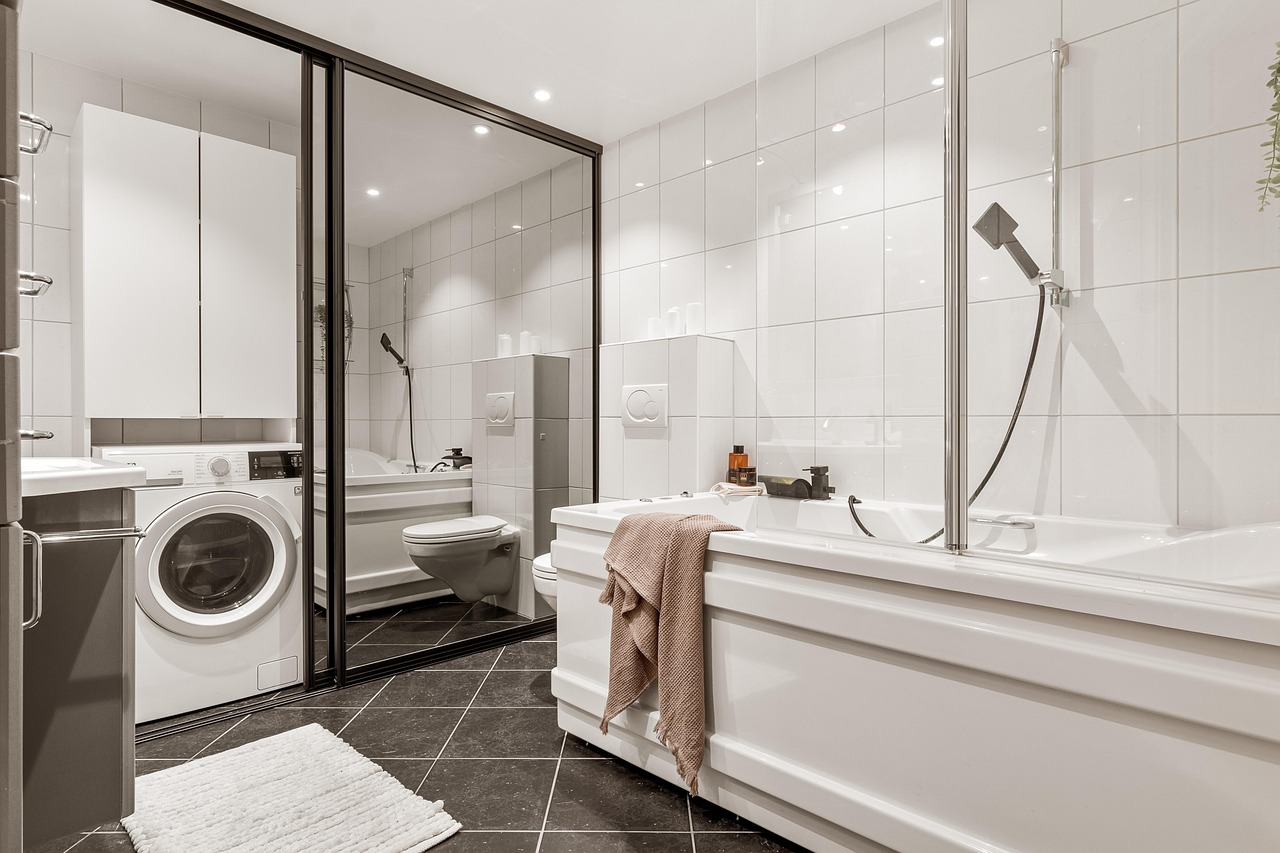
In the context of ADUs in historic districts, long-term financial savings from energy-efficient insulation can significantly impact the bottom line for pet owners and investors. When considering ADU renovation, trusted experts emphasize the importance of preserving the historical integrity of the structure while implementing modern energy-saving practices. This dual approach not only maintains the district's character but also offers substantial long-term savings.
Over a 20-year period, these savings can offset the initial investment in insulation, making it a cost-effective renovation choice. ADU property value impact studies consistently show that energy-efficient features enhance the marketability and desirability of these units, potentially increasing their value by 15% or more.
Green building practices associated with proper insulation contribute to a reduced carbon footprint, aligning with local governments' affordable housing initiatives and environmental goals. By adopting these strategies, pet owners can ensure their ADUs comply with zoning codes and local design guidelines while enjoying significant financial benefits.
Success Stories: Cost-Effective Insulation in Action
In the context of ADU-in-historic districts, where preserving both architectural integrity and energy efficiency is paramount, successful cost-effective insulation strategies stand as a sign of the balance between history and modernity. One of the most notable approaches involves the use of sustainable ADU construction practices, leveraging materials that not only reduce energy costs but also minimize environmental impact. Cellulose insulation made from recycled paper has proven effective in maintaining optimal indoor temperatures while offering a green alternative to traditional options.
The story of energy-efficient insulation in these unique structures highlights the importance of thorough certified ADU electrical safety checks. Regular inspections by qualified professionals ensure that the installation of new insulation materials complies with safety standards, preventing potential hazards. By adhering to these checks, owners can confidently implement innovative energy-saving solutions, such as spray foam insulation, which creates an airtight seal, significantly reducing heat transfer and, consequently, energy consumption.
Community organizations and local governments have played a pivotal role in promoting these sustainable practices. Workshops and online forums dedicated to ADU in historic districts have facilitated knowledge-sharing, empowering homeowners and contractors alike to make informed decisions. These platforms have also fostered collaborations between architects and preservationists, leading to the development of design guidelines that seamlessly integrate modern insulation technologies while preserving the historic character of the buildings.
Success stories from sustainable ADU construction in similar districts have demonstrated the potential for widespread adoption. By sharing detailed case studies and outcomes, these initiatives inspire others to consider energy-efficient insulation options.
Frequently Asked Questions About Cost-Effective Insulation for Historic District ADUs: Preserving History and Energy Efficiency
What is the primary concern when insulating a historic ADU?
Insulating a historic ADU requires a delicate balance. The primary concern is preserving the building's original character and structural integrity while enhancing energy efficiency. We recommend non-intrusive, historically-appropriate materials that match the building's age and style, ensuring both the history and comfort of the space are respected.
How do I choose the right insulation materials for my historic property?
When selecting insulation materials, consult with experts in historic preservation. Consider materials like cellulose, which is made from recycled paper and offers excellent insulation properties while being environmentally friendly. Also, look for products specifically designed for use in older buildings to avoid damaging historic components.
Are there any local regulations or guidelines I should follow?
Absolutely. Check with your local historical society or building department. Many cities have guidelines for restoring and preserving historic structures, including specific requirements for insulation. Adhering to these guidelines ensures your project complies with local regulations and maintains the building's historic value.
Can I insulate my ADU myself, or do I need a professional?
While DIY projects can be rewarding, insulation in historic buildings is best left to professionals. Improper installation could damage historical fabric or compromise energy efficiency. Experienced contractors familiar with historic preservation techniques will ensure the job is done right, preserving the building's character and ensuring long-term energy savings.
What are the long-term benefits of cost-effective insulation in historic ADUs?
Cost-effective insulation pays off over time by reducing energy bills and minimizing maintenance. It helps regulate indoor temperatures, making the space more comfortable year-round. Proper insulation can extend the life of the building, preserving its historical value for future generations.
How can I tell if my ADU needs better insulation?
Look for signs like uneven temperature distribution, drafts around windows and doors, or excessive condensation on windows. These indicators suggest inadequate insulation. Conducting a professional energy audit can provide a detailed assessment, helping you identify areas where insulation improvements can make the most significant difference.
The article has thoroughly explored the multifaceted challenges and opportunities surrounding insulation in adu-in-historic-districts, offering a practical guide for navigating these unique installations. By examining legal expertise, design considerations, community impact, and cost-effective materials, we've identified key takeaways for successful insulation projects.
First, understanding the specific regulations and zoning codes within historic districts is paramount, with local building departments and preservation societies playing crucial roles in ensuring compliance. Next, architects and contractors must balance the preservation of historical aesthetics with modern insulation techniques, leveraging local design guidelines and innovative materials that respect the district's character.
The financial benefits of energy-efficient insulation are compelling. While initial costs may vary, the long-term savings and reduced environmental impact make a strong case for investment. Regulatory considerations, as detailed, provide a framework for making these upgrades while preserving the district's integrity.
Success stories highlighted in the article demonstrate the feasibility and desirability of cost-effective insulation in historic districts. By adopting these practices, ADU owners not only improve energy efficiency but also contribute to the broader goals of affordable housing initiatives and sustainable community development.
Practical next steps include engaging with local support groups and online forums to stay informed about best practices, utilizing online directories for qualified contractors, and participating in community workshops to gain hands-on experience. These actions empower homeowners to actively contribute to the preservation of their historic districts while enjoying the benefits of modern, efficient ADUs.
ADU in Historic Districts: Balancing Preservation and Efficiency
Integrating modern insulation in historic districts requires careful navigation of architectural guidelines and energy performance. Local building departments, preservation societies, and experts guide the process, ensuring compliance and historical authenticity. Creative solutions, like using specialized foam or historical-looking cotton insulation, maintain the district's character while enhancing energy efficiency. Professional consultation services and community support groups offer valuable guidance for homeowners, promoting informed, responsible ADU construction.
adu-in-historic-districts involves a delicate balance between preserving cultural heritage and achieving energy efficiency. By engaging with local stakeholders and adopting innovative, historically-sensitive insulation practices, pet owners can successfully expand their living spaces while contributing to the district's ongoing vibrancy.