
In historic districts across the country, the demand for rental housing continues to rise, creating a unique challenge for landlords and tenants alike. ADUs (Accessory Dwellings Unit), or secondary units within existing properties, offer a promising solution to the housing crisis, especially within the constraints of historic preservation. This guide is tailored for those understanding adu-in-historic-districts, providing practical insights into navigating legal requirements, design considerations, and community impact. Understanding the unique opportunities and challenges presented by these structures is crucial for both property owners looking to expand their rental portfolio and tenants seeking affordable, historically-integrated living spaces. By following best practices and staying informed about local regulations, landlords and tenants can thrive in this specialized rental market.
- Understanding ADU Regulations in Historic Districts
- Benefits and Challenges of Renting an ADU in Historic Areas
- Legal Requirements for Building and Renting ADUs
- Designing and Constructing ADUs for Historic Preservation
- Finding the Right Tenant for Your Historic District ADU
- Setting Competitive Rent for Your Historic ADU Property
- Marketing Your ADU Rental in Conserved Neighborhoods
- Ensuring ADU Tenant Safety and Satisfaction in Historic Districts
- Maximizing Returns on Your Historic District ADU Investment
Understanding ADU Regulations in Historic Districts

Navigating the regulatory landscape of adu-in-historic-districts requires a deep understanding of local laws and guidelines. Historic districts often have stringent zoning codes designed to preserve the unique character and architecture of the area. For landlords and tenants considering ADU rentals in these districts, adhering to these regulations is crucial to avoid legal issues and ensure the long-term viability of the property.
Local building departments and zoning boards are the primary authorities on ADU approvals in historic districts. They review proposed ADU structures for compliance with zoning codes, building safety standards, and historic preservation guidelines. Architects and general contractors specializing in these areas can help navigate the approval process. Reliable plumbing for historic ADUs must meet specific standards to maintain the district's overall integrity, with considerations for both modern convenience and historical authenticity.
Community organizations and local support groups can be invaluable resources for both landlords and tenants. They often host workshops, forums, and directories to educate and connect residents involved in ADU projects. Engaging with these groups can provide insights into local preferences, potential community concerns, and successful ADU integration within the historic district. They may offer advice on accessing local ADU community support groups, fostering a collaborative environment that benefits everyone involved.
Benefits and Challenges of Renting an ADU in Historic Areas

Renting an Accessory Dwelling Unit (ADU) within a historic district offers both unique advantages and specific challenges for landlords and tenants. This section explores the intricacies of navigating these environments, providing insights for those considering ADU rentals in such contexts.
One of the primary benefits is the opportunity to contribute to the local historic character. Best practices for ADU design in historic districts emphasize integration with existing architecture. Preserving period details, using compatible materials, and adhering to local design guidelines ensures the ADU enhances, rather than detracts from, the district's overall aesthetic. Many historic preservation societies offer resources and guidance to help landlords create harmonious additions. Renting an ADU in these areas can provide access to affordable housing, a growing concern in many communities. Landlords can cater to diverse tenant needs, supporting local economic vitality.
However, challenges exist, particularly in terms of legal and regulatory compliance. Zoning laws in historic districts often have stringent requirements. Local Building Departments and Zoning Boards review ADU plans, ensuring they meet historic preservation standards. The process may involve more extensive design and engineering considerations than typical ADU construction. In areas with strict codes, reinforcing the structure to withstand seismic activity or meeting specific energy efficiency standards could be mandatory. Engaging with architects and general contractors experienced in these regulations is crucial.
Community support matters in the success of ADU rentals in historic districts. Local ADU community groups provide platforms for landlords and tenants to connect, share experiences, and offer advice. These networks can be invaluable for understanding local dynamics and addressing concerns. Tenants may share insights on parking, noise levels, or community interactions, while landlords can contribute to discussions on rental rates and lease agreements tailored to historic district living. Online forums and local support groups facilitate these exchanges, fostering a sense of community and ensuring a positive ADU rental experience.
Legal Requirements for Building and Renting ADUs

In the context of historic districts, the legal landscape surrounding Accessory Dwelling Units (ADUs) is intricate, demanding careful navigation for landlords and tenants alike. Every step of the ADU construction and rental process must adhere to a stringent web of local regulations, involving building departments, zoning boards, and historic preservation societies. These entities collectively ensure that new ADUs blend harmoniously with the district's character and maintain the area's historical integrity.
The first consideration is understanding and complying with the specific zoning codes governing the historic district. These codes often dictate building materials, design styles, and set-backs, shaping the feasibility and aesthetics of proposed ADUs. In districts with strict preservation guidelines, landlords may face challenges in installing modern amenities or making structural alterations. Soundproofing, a common requirement for ADUs in urban areas, also intersects with historic district regulations. Landlords must explore approved soundproofing methods that preserve the district's character, ensuring tenants enjoy quiet without sacrificing the period charm.
Affordable ADUs have emerged as a key strategy for providing rental housing in historic districts. However, navigating the rental market requires a nuanced understanding of local dynamics. Landlords should conduct a thorough analysis of comparable ADU rentals in the area, considering factors like size, location, and amenities. This analysis informs rental rates, ensuring competitiveness while maintaining the financial viability of the property. Landlords can leverage online forums and local support groups to connect with tenants, fostering a community-oriented approach to ADU rentals in historic districts.
Designing and Constructing ADUs for Historic Preservation

In the context of historic districts, designing and constructing Accessory Dwelling Units (ADUs) requires a delicate balance between preserving historical integrity and accommodating modern needs. Landlords and tenants in these areas face unique challenges, from navigating stringent local zoning codes and historic preservation societies to ensuring the new structures blend seamlessly with their surroundings. The goal is to create functional, affordable living spaces that respect and enhance the character of the district.
Soundproofing becomes a crucial consideration when building ADUs in historic neighborhoods. Traditional construction methods may not be suitable due to the district's architectural style and aesthetic standards. Landlords should consult with architects and contractors who specialize in both ADU construction and historic preservation. These experts can recommend materials and techniques that meet both acoustic requirements and the district's character, such as using sound-absorbing insulation and custom-fitted windows. Similarly, affordable HVAC systems for ADUs in these areas should prioritize energy efficiency and historical accuracy. Geothermal heating and cooling units, for example, can provide modern comfort while minimizing the visual impact, aligning with green building practices that are increasingly valued in historic districts.
Local resources play a vital role in navigating the complexities of ADU construction within historic districts. Tenants and landlords can tap into the expertise of local historic preservation societies, which often offer workshops, consultations, and online directories to facilitate informed decision-making. These resources can guide the selection of appropriate design elements, such as roof shapes, window styles, and exterior finishes, ensuring the ADU complies with the district's specific guidelines. The [Local Historic Preservation Society] provides a practical guide on "Designing for Historic Districts," which includes examples of successful ADU integrations. Local building departments and zoning boards can offer insights into permitting processes and provide access to approved design plans from similar projects, streamlining the construction phase.
By embracing these practices, landlords and tenants can create ADUs that not only comply with regulations but also enrich the historic character of the district. This approach ensures that these valuable properties remain accessible and affordable while preserving their unique architectural and cultural heritage.
Finding the Right Tenant for Your Historic District ADU
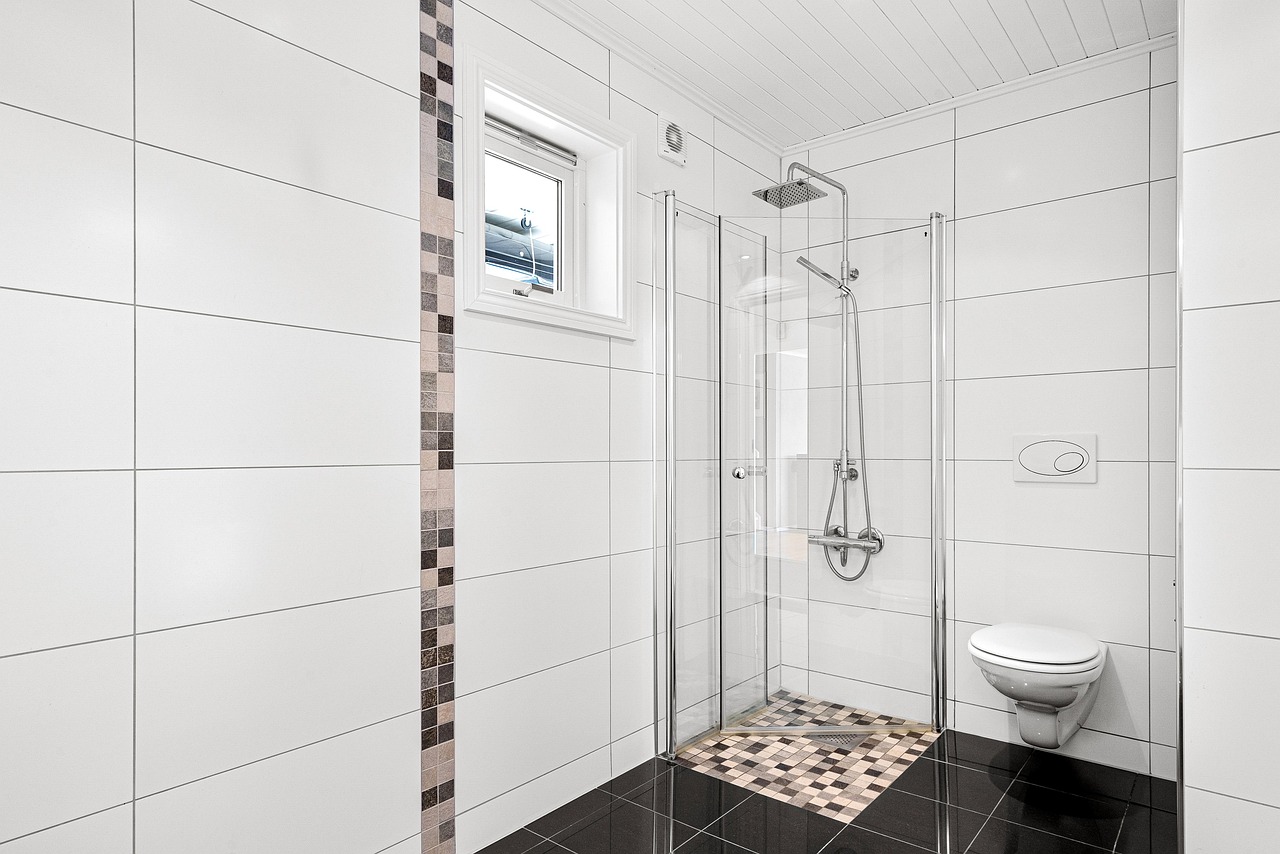
Finding the ideal tenant for your ADU in a historic district is a critical step that can make or break the entire experience. This process requires a thoughtful and strategic approach, given the unique character and regulations surrounding these properties. Landlords must consider the specific needs and preferences of tenants who will not only respect the historic integrity of the building but also contribute positively to the neighborhood.
The first step is to understand the local market and the type of tenants who are drawn to living in these areas. Many tenants are attracted to historic districts for their character, proximity to cultural amenities, and the sense of community they offer. Some may be professionals who appreciate the unique architecture or older residents seeking a more manageable living space. Case studies of successful historic ADU projects have shown that landlords who cater to these preferences often have easier tenant acquisition and retention. Converting a former carriage house in a vibrant historic district might appeal to young professionals who value both urban living and architectural heritage.
When screening potential tenants, landlords should be aware of local ADU contractor licensing requirements and the importance of safe, legal construction. They should also consider the tenant's ability to respect and preserve the building's historic value. This includes understanding the tenant's plans for the property, their experience with historic preservation, and their commitment to maintaining the unique character of the neighborhood. Emergency housing solutions for historic neighborhoods, such as temporary accommodations during renovations, can also be a point of discussion, ensuring a seamless transition for both the landlord and tenant. By combining a thorough screening process with a focus on the tenant's connection to the historic district, landlords can find tenants who will not only meet their rental needs but also contribute to the vibrant and sustainable fabric of these neighborhoods.
Setting Competitive Rent for Your Historic ADU Property

Setting competitive rent for your historic ADU property requires a nuanced understanding of the market and unique characteristics of these structures. In historic districts, ADUs are often part of a tightly regulated environment where renovation and construction must adhere to strict guidelines. This can include certified ADU electrical safety checks and adherence to local design guidelines, which can both add value and present challenges.
To determine a fair and competitive rent, landlords should conduct a thorough analysis of comparable properties in the area. Consider factors like the age and condition of the ADU, its location within the historic district, and the level of restoration required. An ADU that benefits from recent renovations and aligns with the district's aesthetic may command a higher rent. Engaging with licensed ADU contractors near me for insights on local market trends and restoration costs can be invaluable.
One key aspect to consider is the property's value impact. However, this enhancement may be mitigated if the ADU is perceived as requiring extensive renovations or if it doesn't blend harmoniously with the existing architecture. A balanced approach is crucial-rent should reflect both the property's potential and the efforts needed to realize it. A property owner might offer a slightly lower rent to offset the costs of certified electrical safety upgrades, while still attracting tenants who appreciate the unique character of the historic district.
Finally, stay informed about local zoning codes and historic preservation societies' expectations. These organizations often play a significant role in rent determination, as they can impose restrictions on rental rates and tenant eligibility. Collaborating with community organizations and staying engaged with local governments can provide landlords with a competitive edge, ensuring that their ADU properties remain desirable to tenants while adhering to the unique regulations of historic districts.
Marketing Your ADU Rental in Conserved Neighborhoods

Marketing ADUs in historic districts requires a nuanced approach that respects both the neighborhood's character and the unique needs of potential tenants. Landlords in these areas often face a distinct challenge: balancing the preservation of historic architecture with offering modern amenities that attract quality tenants. The key lies in understanding the market and tailoring your rental strategy accordingly.
When promoting an ADU in a historic district, focus on the property's charm and character, highlighting its adherence to local design guidelines while also showcasing contemporary features. Emphasize energy-efficient appliances, natural lighting, and open floor plans, all while ensuring the unit fits seamlessly with the surrounding architecture. Engage with online forums and local support groups to connect with prospective tenants who appreciate both the historic essence and modern conveniences of these unique rental spaces.
Affordable ADUs in historic districts can be a major improvement for communities, providing much-needed housing options without compromising the area's character. To encourage responsible development, landlords can collaborate with architects and general contractors specializing in historic preservation to create designs that blend seamlessly with the existing neighborhood. This approach not only ensures regulatory compliance but also fosters community acceptance, as it demonstrates a commitment to maintaining the area's cultural and architectural integrity.
Remember, ADU permitting tips for homeowners in historic districts often involve close coordination with local building departments and zoning boards. Staying informed about specific regulations and seeking professional guidance early on can streamline the process. Understanding when and how to submit applications, providing detailed architectural plans, and adhering to local building codes will help ensure a smooth approval process. By embracing these strategies, landlords can successfully market ADU rentals in historic districts, contributing to vibrant and sustainable communities.
Ensuring ADU Tenant Safety and Satisfaction in Historic Districts

Ensuring the safety and satisfaction of ADU tenants in historic districts is paramount for landlords and renovation experts alike. This requires a nuanced understanding of both the unique architectural character of these areas and the evolving ADU rental market. ADU interior design in historic homes must blend modern comforts with the original building's aesthetic, preserving its character while meeting contemporary tenant expectations.
Local building departments and zoning boards, alongside historic preservation societies, play a crucial role in setting guidelines and regulations for ADU construction and renovation in historic districts. Landlords must actively engage with these authorities to ensure compliance, thereby protecting their investments and avoiding potential legal issues. Trusted ADU renovation experts, who are familiar with these regulations, can help navigate this process, ensuring that any modifications are in line with the district's specific design guidelines.
Community organizations and local governments often have initiatives aimed at promoting affordable housing and minimizing environmental impact, which can be leveraged by landlords to enhance their ADU offerings. Engaging with these groups can provide insights into local preferences and help landlords create spaces that not only comply with regulations but also resonate with potential tenants. Incorporating green building practices can appeal to eco-conscious renters while contributing to the overall sustainability of historic districts.
Tenants, too, have a crucial role in ensuring ADU safety and satisfaction. They should be encouraged to communicate openly with landlords and contractors about any maintenance or safety concerns. Online forums and local support groups can serve as valuable resources for tenants to share experiences, ask questions, and stay informed about their rights and responsibilities. By fostering a culture of open communication and collaboration, landlords and tenants in historic districts can create a thriving and safe ADU rental market.
Maximizing Returns on Your Historic District ADU Investment

Maximizing the Return on Your Historic District ADU Investment
For landlords and tenants looking to enter the ADU market in historic districts, understanding the unique considerations and opportunities is key. The intricate dance between preserving historical architecture and adding modern amenities requires a strategic approach. Start by recognizing that these districts often have stringent zoning codes and strict building regulations, which can significantly impact construction costs. However, with the right approach, these challenges can be turned into advantages.
Consider cost-effective ADU construction tips tailored to historic districts. Using locally sourced materials and hiring contractors familiar with the area can reduce expenses while ensuring compliance. Preserving original architectural elements like hardwood floors or detailed molding can be cost-effective and enhance the unit's appeal. Leveraging local ADU contractor licensing requirements can ensure quality and protect your investment. Licensing requirements often mandate specific safety standards and construction practices, giving you peace of mind.
ADU permitting tips for homeowners in historic districts involve a thorough understanding of local design guidelines and zoning boards. Engage with your community's Historic Preservation Societies to ensure your plans align with the district's character. Architects experienced in these regulations can design ADUs that blend seamlessly with the surrounding history. A small, detached ADU with a classic design might be more suitable than a modern, large addition, depending on the district's overall aesthetic.
Community engagement is also vital. Inform local governments and community organizations about your plans to increase support and potentially gain faster approvals. Remember, the goal is to create a mutually beneficial situation where your ADU investment enhances the district while providing much-needed housing or rental options. By following these strategies, you can navigate the complexities of historic district construction and maximize the return on your ADU investment.
Frequently Asked Questions About ADUs for Rent in Historic Districts: A Guide for Landlords and Tenants
What are ADUs, and why are they important in historic districts?
Accessory Dwelling Units (ADUs) offer valuable housing options within existing properties, especially in historic districts. These secondary residences, often built behind or above primary structures, provide additional rental income for landlords while preserving the district's character. They contribute to higher property values, community vibrancy, and the overall preservation of architectural heritage.
How do I know if my historic district allows ADUs?
Check local zoning ordinances and consult with the appropriate historical society or preservation commission. These bodies oversee development within historic districts and can provide guidance on ADU construction and rental regulations. Compliance is crucial to avoid fines or legal issues.
What considerations should landlords make when renting out ADUs?
Landlords must ensure ADUs meet safety and code standards, obtain necessary permits, and comply with rental regulations. They should also factor in maintenance, insurance, and potential utility costs. Effective screening of tenants and clear communication about rules and expectations are essential for a successful rental experience.
How do I find a suitable tenant for my ADU?
Utilize traditional rental advertising channels and consider online platforms tailored to historic neighborhoods. Screen applicants thoroughly, verifying employment, references, and rental history. A good tenant who appreciates the unique character of the district can ensure a harmonious rental relationship.
What tax implications should I be aware of with ADU rentals?
Consult a tax professional for specific advice. Typically, rental income is taxable, and landlords must report it on their tax returns. There may be local tax breaks or incentives for preserving historic properties through ADU development. Understanding these implications is crucial for financial planning.
Are there any specific maintenance requirements for ADUs in historic districts?
ADUs must maintain the original architectural style and design of the main structure to preserve the district's character. This might include using approved building materials and adhering to specific color palettes. Regular maintenance, such as painting, repairs, and upkeep, is essential to keep the ADU in good condition and maintain the district's overall aesthetic.
Designing and managing an ADU in a historic district requires a nuanced understanding of local regulations, architectural sensitivity, and effective tenant management. By navigating the legal requirements, adhering to historic preservation guidelines, and leveraging the unique benefits of these neighborhoods, landlords can create valuable, in-demand rental properties. The key lies in balancing the preservation of historical character with the need for modern amenities and comfort. With the right approach, adu-in-historic-districts can offer a unique investment opportunity, providing both financial returns and community value.
Next steps include: engaging with local building departments and zoning boards to ensure compliance, consulting with architects and preservationists for design and construction, and utilizing community workshops and online forums to attract and screen suitable tenants. By following these guidelines and staying informed about local initiatives, landlords can successfully maximize the potential of their historic district ADU properties.
ADU in Historic Districts: Navigating Regulations for Successful Integrations
- Legal & Regulatory Landscape: Local building departments and zoning boards are primary authorities. Adhere to historic preservation guidelines for design and safety.
- Community Engagement: Local support groups and forums provide insights into preferences, community concerns, and successful integration.
- Design & Construction: Emphasize historical authenticity while incorporating modern convenience. Engage specialists for design and engineering considerations.
- Market & Rental Strategies: Highlight unique character and modern amenities. Collaborate with architects for designs that blend seamlessly with the neighborhood.
- Safety & Satisfaction: Engage with tenants, utilize local resources for green building practices. Foster open communication for safe, satisfying ADU rentals.
- Maximizing Investment: Cost-effective construction, local licensing, and community engagement enhance ADU value while preserving historic districts.