Expanding historic homes to accommodate modern living is a delicate dance-especially when navigating the unique regulations of adu-in-historic-districts. These neighborhoods, rich in character and architecture, come with stringent zoning codes and design guidelines. The challenge? Incorporating new spaces while preserving the district's historic integrity.
The solution lies in specialized ADU services tailored to these contexts. From legal expertise to ensure compliance with local building departments and zoning boards, to design-focused collaboration with architects and preservationists, these services offer a holistic approach. By merging functionality with historical respect, they achieve the potential for expanded living without compromising the district's character.
- Understanding ADUs in Historic Districts: Legal Considerations
- Assessing Your Historic Home's Expansion Potential
- Design Strategies for Harmonious ADU Integration
- Building Permits and Regulations: A Practical guide
- Sustainable Solutions for Energy-Efficient ADUs
- Customizing Your ADU: Interior Design Ideas
- Exterior Enhancements: Blending Modern with Historic
- Cost Analysis: Budgeting for Your Historic District ADU
- Success Stories: Real-World ADU Projects in Historic Districts
Understanding ADUs in Historic Districts: Legal Considerations

When considering an ADU expansion in a historic district, understanding the legal landscape is paramount. Local building departments, zoning boards, and historic preservation societies play pivotal roles in shaping your project's feasibility and design. These entities enforce zoning codes and historic preservation guidelines, ensuring that any new construction harmonizes with the district's character and maintains its integrity. In many historic districts, alterations must adhere to specific design guidelines, limiting exterior changes and preserving the original architectural style.
The permitting process for ADUs in these areas can be intricate. Each jurisdiction has its own set of rules and regulations, often requiring detailed plans and historical assessments. Architects and general contractors specializing in historic preservation are invaluable assets here. They can guide you through the legal requirements, ensuring your ADU design respects both modern comforts and historical constraints. Top-quality ADU windows, for instance, can offer both energy efficiency and visual appeal while adhering to period-specific guidelines.
Licensed ADU contractors in your area are crucial for navigating these legal intricacies. Their expertise ensures compliance with local codes and historical preservation standards. Engaging their services not only guarantees a smoother approval process but also results in a well-crafted expansion that enhances the district's charm. Remember, the goal is to create a modern, functional space while preserving the unique character of your historic district home.
Assessing Your Historic Home's Expansion Potential
Assessing the expansion potential of a historic home in a district is a nuanced process that requires careful consideration of both the building's character and the surrounding context. When contemplating an ADU in historic districts, the first step is to engage with trusted ADU renovation experts who specialize in this unique niche. These experts will conduct a thorough evaluation, factoring in factors such as structural integrity, architectural style, and local zoning codes. An experienced contractor will assess whether the existing foundation can support additional living space or if major structural modifications are needed, which can significantly impact both cost and timeline.
The assessment should also examine accessibility modifications tailored to the historic district's character. This might include preserving or enhancing original architectural details while ensuring compliance with modern accessibility standards. In a district known for its Victorian architecture, the focus could be on installing ramps or lifts that complement the era's aesthetic, rather than imposing modern, utilitarian solutions. Engaging with local design guidelines and preservation societies is crucial to ensure that any expansion seamlessly integrates with the historic fabric of the area.
Affordable emergency ADU solutions are a key consideration for historic district homeowners. Given the potential for unforeseen structural issues or unexpected growth needs, having a cost-effective, quick-turnaround option can be invaluable. This might involve prefabricated ADU units designed to meet the district's aesthetic and historical criteria, offering a balance between urgency and maintaining the district's character. By working with experts who understand the unique challenges of ADU in historic districts, homeowners can confidently expand their living space while preserving the area's rich heritage.
Design Strategies for Harmonious ADU Integration

Integrating an ADU into a historic district requires a nuanced design approach to ensure harmony with the surrounding architecture and community character. When expanding an existing home, homeowners must consider the unique challenges and opportunities presented by these districts. The goal is to enhance the property's historical value while providing modern living spaces, demanding a careful balance.
Successful design strategies for ADUs in historic districts focus on blending in with the existing structure and neighborhood. This often involves adopting similar architectural styles, materials, and colors. If the main house boasts Victorian details, the ADU should reflect these elements to maintain coherence. Architects and preservationists work together to create designs that respect the historical integrity of the district while offering contemporary amenities. The key is to create an extension that feels like a natural continuation of the original structure rather than an afterthought.
ADU permitting for historic districts requires a thorough understanding of local regulations and codes. Homeowners should consult with their local building departments and zoning boards to ensure compliance. Engaging with community organizations and historic preservation societies can provide valuable insights and support. These groups often have specific expectations for how new developments should respect and complement the district's character. By embracing these guidelines, homeowners can contribute positively to the neighborhood's historical and cultural fabric while gaining the benefits of an ADU.
Building Permits and Regulations: A Practical guide
When expanding your historic district home through an ADU (Accessory Dwelling Unit) construction project, navigating building permits and regulations is crucial. Understanding the unique requirements of these areas involves a deep examine local ADU contractor licensing, as well as a keen awareness of energy-efficient insulation options that blend with the original structure.
The first step in the process is securing the necessary permits from the local building department. These departments often have specific guidelines for ADU construction within historic districts. Zoning boards and historic preservation societies play a key role here, ensuring that the expansion respects the architectural integrity and historical significance of the area. Architects and general contractors familiar with these regulations are essential; they can guide you through the permit application process and help design an ADU that complies with both local codes and the character of the district.
Beyond permits, cost-effective construction tips are invaluable. Since historic districts often have strict design guidelines, finding ways to minimize renovation costs while maintaining the building's historical value is crucial. Proper insulation, for instance, can significantly impact energy efficiency without compromising the structure's integrity. Energy-efficient ADU insulation options, such as cellulose or spray foam, are not only environmentally friendly but can also reduce long-term utility expenses. Engaging with local support groups or online forums dedicated to ADU-in-historic-districts can offer valuable insights into cost-saving strategies that respect the district's unique character.
Staying informed about local ADU contractor licensing requirements is paramount. These regulations ensure that contractors working in historic districts possess the necessary expertise and adhere to specific industry standards. Hiring licensed professionals not only guarantees compliance with local laws but also provides peace of mind, knowing your project is in capable hands. This is especially important when considering the intricate design and construction details often required for successful ADU additions in historic districts.
Sustainable Solutions for Energy-Efficient ADUs

Expanding historic homes to accommodate modern living while preserving their character requires a nuanced approach, especially for energy efficiency. Sustainable solutions for ADUs (accessory dwelling units) in historic districts not only respect the surrounding architecture but also offer emergency housing solutions for these neighborhoods, ensuring both preservation and resilience.
Incorporating green building practices is a trusted ADU renovation expert's tool to create energy-efficient spaces. This might include upgrading to energy-efficient appliances and lighting, installing low-flow fixtures, and sealing air leaks. A well-insulated, properly sealed ADU can significantly reduce energy consumption, lowering utility costs for both the homeowner and the environment. Certified ADU electrical safety checks are crucial, ensuring that any new wiring or updates comply with current codes and minimizing the risk of electrical hazards in these older structures.
The focus on energy efficiency extends beyond the individual home. By designing ADUs to be net-zero or even positive-energy spaces, we can contribute to the overall sustainability of historic neighborhoods. This involves strategic orientation, natural lighting, and ventilation, as well as the integration of renewable energy sources. Such strategies not only provide comfortable living conditions but also help preserve the historic character of these districts by reducing the environmental impact of expansion.
Community support and education play a vital role in the success of these projects. Online forums and local support groups can facilitate the sharing of knowledge and best practices among residents and contractors. Workshops and resources focused on sustainable ADU design and construction empower homeowners to make informed decisions, ensuring that their expansions align with the unique character and needs of historic districts.
Customizing Your ADU: Interior Design Ideas

When expanding your historic district home through an ADU (Accessory Dwelling Unit), interior design plays a crucial role in blending the new addition seamlessly with the existing structure while enhancing its market value. This balance is particularly important given the unique architectural character and design guidelines often associated with historic districts.
Incorporating energy-efficient ADU insulation options not only contributes to a comfortable living environment but also aligns with the district's commitment to sustainable practices. Modern insulation materials, such as cellulose or foam, offer excellent thermal resistance while maintaining the original aesthetic of the building.
While some ADU installations can be completed within a day, ensuring a professional finish requires skilled labor. Same-day ADU installation services, while quick, should not compromise quality. Reputable contractors specializing in historic district ADUs understand the importance of precision and attention to detail, ensuring the new space meets both functional and aesthetic expectations.
Therefore, investing in interior design that respects the historic character of the district is not only aesthetically pleasing but also financially strategic.
Exterior Enhancements: Blending Modern with Historic
When expanding an existing home in a historic district, the challenge of balancing modern comforts with preserving the building's original character is paramount. Exterior enhancements, in particular, demand a delicate touch to avoid disrupting the architectural integrity of the neighborhood. Top-quality ADU windows for historic districts play a crucial role here, offering both functionality and aesthetic appeal. These windows should be chosen with care, considering the style of the original structure and the overall design goals of the district.
A well-designed ADU in a historic district might incorporate large, custom-made windows that mimic the original styling but with modern energy-efficient features. This approach not only maintains the visual continuity with the surrounding architecture but also enhances natural lighting and improves insulation. The cost analysis for such an endeavor can vary widely depending on factors like the size of the addition, the quality of materials, and local labor rates.
ADU design ideas for small spaces in historic districts require creativity and innovation. Every inch counts, so clever use of nooks and crannies can yield striking results. A lofted sleeping area above a new kitchen or a sliding door that opens onto a small, private patio can maximize space without compromising the building's historic charm. By carefully integrating modern elements with the existing structure, homeowners can create a seamless and beautiful expansion that stands the test of time.
Cost Analysis: Budgeting for Your Historic District ADU

When budgeting for an ADU in a historic district, understanding the costs associated with both the construction and regulatory aspects is crucial. Unlike standard ADUs, these expansions must adhere to specific local ADU permitting regulations and historic district zoning laws, which can significantly impact your bottom line. The cost analysis should account for these compliance requirements, as well as the unique design and construction challenges presented by historic homes.
Energy-efficient ADU insulation options are particularly important in these structures. While the initial investment may be higher than standard materials, the long-term savings in utility costs make them a smart choice. Local building departments often offer incentives or rebates for incorporating green building practices, further offsetting these upfront costs. Some jurisdictions provide tax credits for energy-efficient appliances and insulation, which can be a substantial help when budgeting for your ADU project.
Local ADU permitting regulations vary widely, so it's essential to consult with your municipality's building department. The application process, permit fees, and required inspections can differ dramatically from one historic district to another. Some districts may require more extensive documentation and historical research to ensure the ADU's design complements the surrounding architecture. This process can extend timelines and increase costs, but it's necessary to maintain the district's character and value. Historic preservation societies often offer workshops or resources to guide homeowners through these regulations, ensuring a smoother and more cost-effective expansion.
In terms of zoning laws, ADUs in historic districts may be subject to additional restrictions. Setbacks, signage, and exterior aesthetics are often closely regulated to preserve the district's aesthetic integrity. These requirements can add complexity to the design and construction phases, necessitating detailed plans and potentially increasing professional fees. However, adhering to these guidelines can enhance the long-term value of your property, as historic districts often retain their charm and desirability over time.
Success Stories: Real-World ADU Projects in Historic Districts
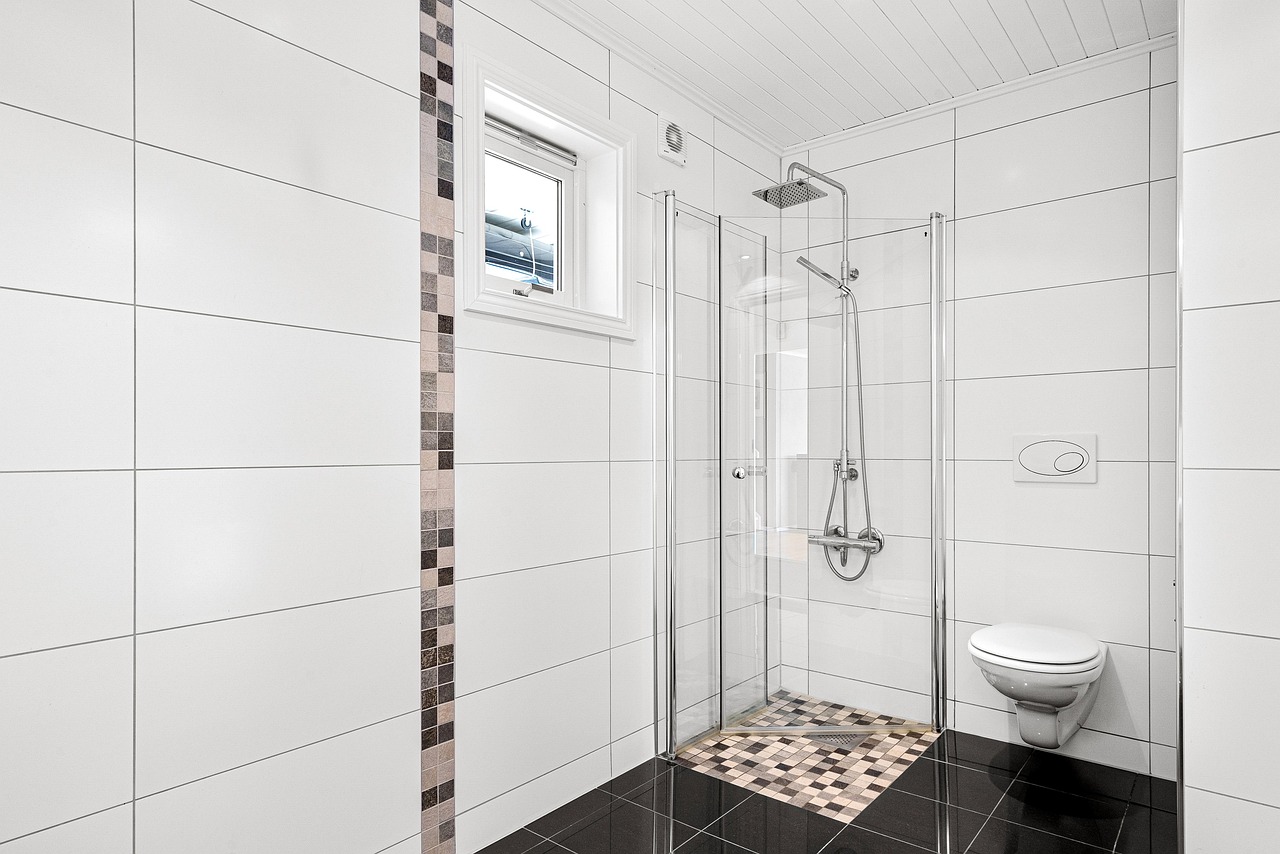
For expanding your historic district home through an ADU (Accessory Dwelling Unit), success stories from real-world projects offer invaluable insights. These projects not only enhance property values but also preserve the unique character of the neighborhood. One of the key aspects that sets these ADU-in-historic-districts projects apart is their commitment to sustainable construction practices. Many ADU builders now incorporate energy-efficient appliances, insulation, and renewable energy sources, aligning with green building standards. This approach not only reduces environmental impact but also offers long-term cost savings for occupants.
Best practices in ADU design for historic preservation play a crucial role in these successful projects. Architects and preservationists work hand-in-hand to create designs that complement the existing architecture. Local design guidelines are rigorously followed to ensure the new ADU blends seamlessly with the historic homes. The result is a harmonious expansion that adds valuable living space without compromising the neighborhood's aesthetic appeal. A recent project in a bustling historic district featured a modern, yet subtle, ADU addition that utilized natural materials and a design that respected the original architectural style.
Community support groups and local organizations also play a vital role in these projects. Many historic districts have active ADU community support groups that provide guidance, resources, and even volunteers to help with construction and design. These groups foster a sense of collective ownership and pride in the neighborhood. Local governments and affordable housing initiatives often collaborate to promote ADU development, offering incentives and streamlining the approval process. This collaborative effort ensures that ADU projects not only respect but also enhance the historic character of the district, while also providing much-needed affordable housing options.
The expansion of your historic home through an ADU-in-historic-districts is a nuanced process that requires careful consideration of legal, design, and financial aspects. By navigating the specific regulations of local building departments and zoning boards, understanding the potential of your property, and adhering to historic preservation societies' guidelines, you can successfully integrate an ADU that enhances both your living space and the district's character. This article has provided a practical guide through design strategies, building permits, sustainable solutions, and interior/exterior customization, equipping you to make informed decisions. The success stories shared highlight the possibilities and the importance of adhering to the unique rules of these districts. Moving forward, prioritize thorough research, engage with experts, and embrace the opportunity to contribute to the community and environment while enhancing your living situation.
ADU in Historic Districts: A Practical guide
Expanding your historic home with an ADU requires navigating complex legal, design, and budgeting aspects. Engage with local building departments, zoning boards, and historic preservation societies to ensure compliance and maintain the district's character. Experts in ADU and historic preservation can guide you through intricate regulations and design guidelines. Focus on energy-efficient insulation, precise construction, and seamless interior design to blend the ADU with the original structure. Budgeting should account for compliance, green building practices, and unique design challenges. Real-world success stories highlight sustainable construction, community involvement, and adherence to local design guidelines.