As urban areas face housing shortages, especially in historic districts, adding accessory dwelling units (ADUs) has emerged as a popular solution. However, navigating the legal and compliance landscape can be daunting. This practical guide provides a step-by-step checklist for creating a legal and compliant ADU in historic districts, ensuring both quality and peace of mind. We'll examine the crucial aspects, from understanding local regulations enforced by building departments and zoning boards, to engaging architects, general contractors, and preservationists, all while minimizing community impact and leveraging local support groups and online resources.
- Understanding ADU Regulations in Historic Districts
- Property Eligibility: Historic District Criteria
- Design Considerations for ADU Integration
- Zoning Approval: Navigating Historic District Rules
- Structural Compliance: Building Safe and Legal ADUs
- Permits and Inspections: Ensuring ADU Compliance
- Historic Preservation: Protecting the District's Character
- Cost Estimate: Budgeting for ADU Construction
- Post-Construction: Maintaining Legal ADU Status
Understanding ADU Regulations in Historic Districts

Navigating the regulatory landscape of ADU-in-historic-districts construction requires a deep understanding of local laws and guidelines. Historic preservation societies, local building departments, and zoning boards closely scrutinize these additions to ensure they maintain the architectural integrity and character of the surrounding district. Engaging with trusted ADU renovation experts who specialize in these areas can significantly streamline the process.
The design and placement of an ADU in a historic district may be subject to specific guidelines, such as matching the exterior style and materials of the existing structures. Architects who are familiar with these regulations can help integrate the new unit harmoniously. Same-day ADU installation services, while fast-track, must adhere to these guidelines to avoid delays or legal issues.
One key consideration is the zoning code, which dictates permitted uses and building restrictions within the district. Zoning laws can vary widely, so consulting with a local government official or reviewing the code online is essential. Community organizations and local governments often have initiatives to promote affordable housing, which can provide incentives or approval for well-designed ADUs.
Understanding these regulations and engaging with professionals who have a proven track record in navigating them is crucial for a successful and compliant ADU project. Integrating green building practices into the design not only meets community expectations but also often aligns with local incentives promoting sustainability. ADU design ideas for small spaces can be particularly challenging but also offer unique opportunities to create functional and aesthetically pleasing units within historic districts.
Property Eligibility: Historic District Criteria

Determining property eligibility for an ADU-in-historic-districts project starts with understanding the unique criteria of these protected areas. Local building departments and zoning boards, often in conjunction with historic preservation societies, oversee development to ensure it aligns with the district's character and historical integrity. These organizations review proposed ADUs through a lens of architectural style, materials, and scale, ensuring they blend seamlessly with the existing structures and streetscapes.
Before breaking ground, conduct a thorough investigation to confirm your property's eligibility. Check the local zoning codes and consult with architects and general contractors specializing in historic district renovations. These professionals can offer invaluable insights into the specific requirements and best practices for ADU construction in historic districts.
For design, consider top-quality ADU windows tailored to historic districts. These windows should not only enhance energy efficiency but also complement the original architecture. Incorporating period-appropriate details can elevate the project's aesthetic appeal and increase its compliance chances. Cost-effective ADU construction tips, such as utilizing locally sourced materials and energy-efficient appliances, can further strengthen the proposal. Remember, the goal is to create a harmonious addition that enriches the historic district's character without compromising its authenticity.
Design Considerations for ADU Integration

Creating an ADU (Accessory Dwelling Unit) in a historic district requires meticulous design considerations to blend seamlessly with the existing architecture and preserve the area's unique character. When integrating an ADU into these sensitive areas, it's crucial to understand the specific regulations and design guidelines set forth by local historic preservation societies and zoning boards. These entities ensure that any new construction complements the district's historical and cultural significance.
One of the first steps is to engage a certified architect familiar with local design guidelines and historic district requirements. They can provide ADU design ideas tailored to small spaces, ensuring the unit is both functional and aesthetically pleasing. Incorporating built-in storage solutions and multi-purpose furniture can maximize limited space. Leveraging natural light and adopting green building practices, such as energy-efficient appliances and insulation, can enhance the unit's sustainability while aligning with local environmental initiatives.
Electrical safety is another critical aspect. Certified ADU electrical safety checks are essential to ensure the unit complies with both local building codes and historic district standards. These checks guarantee that any new wiring or upgrades are performed by licensed professionals using period-appropriate materials, avoiding modern aesthetics that might clash with the district's character. Engaging a local, experienced general contractor specializing in historic preservation can facilitate this process, ensuring every detail adheres to the necessary regulations.
Local historic district ADU resources can be invaluable throughout the design and construction phases. Online forums, community workshops, and support groups offer a wealth of knowledge and advice from residents who have successfully navigated similar projects. Utilizing these resources can help you understand the unique challenges and opportunities presented by the district, ensuring your ADU becomes a harmonious addition to the community.
Zoning Approval: Navigating Historic District Rules

Navigating the zoning approval process for an ADU in a historic district requires careful consideration and a deep understanding of local ADU permits and inspections. These districts, characterized by their unique architecture and cultural significance, present specific challenges when adding new structures. The first step is to consult with your local building department and zoning board, who can provide detailed insights into the specific ADU zoning laws in these areas. These laws often dictate the type, size, and placement of additions, ensuring they harmonize with the existing historic fabric.
Modifications to enhance accessibility, while essential for modern living, must adhere to strict guidelines. Historic district ADU projects may require specialized craftsmanship to integrate new amenities, such as ramps or braille signage, while preserving the building's historical character. It's crucial to involve architects and contractors familiar with these regulations to ensure your plans comply with nearby ADU permits. They can help you navigate the process, ensuring every detail, from foundation to finish, meets the required standards.
Community engagement is another vital aspect. Local governments and historic preservation societies often hold workshops and forums where you can learn about ongoing initiatives and gain support for your project. These organizations can provide valuable feedback on how your ADU might contribute to the district's character and its residents' needs, fostering a sense of community and affordability. Understanding these dynamics ensures your ADU not only meets legal requirements but also enriches the historic district in meaningful ways.
Structural Compliance: Building Safe and Legal ADUs
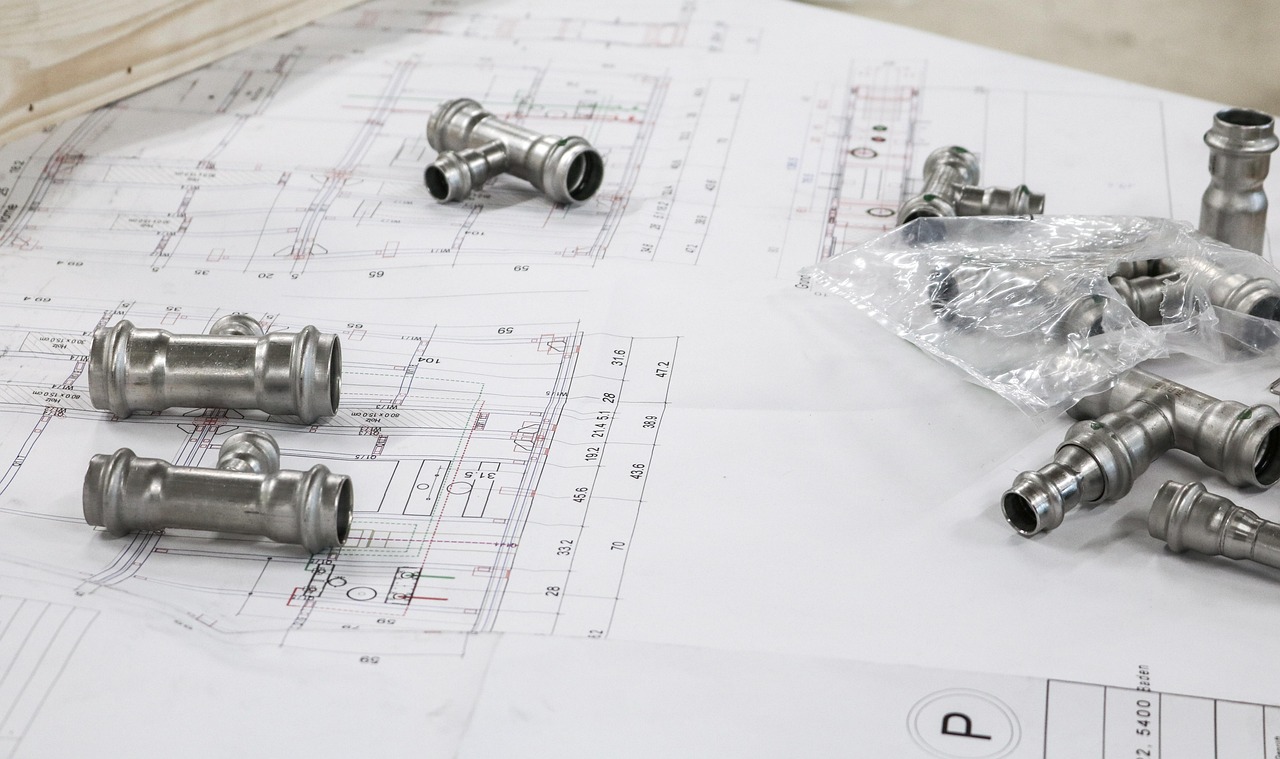
When constructing an ADU (Accessory Dwelling Unit) in a historic district, structural integrity and compliance with both local and historical building codes are paramount. These districts often have unique construction requirements to preserve the architectural and cultural value of the area. Therefore, every ADU must be designed and built to specific standards, ensuring both safety and historical accuracy. One key aspect is understanding and adhering to the historic district's building guidelines, which often dictate materials, design, and construction methods.
They collaborate closely with local architects and preservationists to design ADUs that blend seamlessly with the existing structures. This process involves meticulous planning and often requires accessibility modifications to meet modern standards while preserving the building's historical character. Adding a new wing to an older home may involve incorporating sustainable, energy-efficient materials while maintaining the original architectural style.
The focus on structural compliance goes beyond the visible. It includes ensuring the safety and stability of the entire structure, as well as proper ventilation, plumbing, and electrical systems. Local building departments and historic preservation societies play crucial roles in reviewing and approving ADU plans, so builders must stay updated on the latest codes and regulations. By following these guidelines, builders can create affordable ADUs in historic districts that enhance the neighborhood's character while providing much-needed housing.
Permits and Inspections: Ensuring ADU Compliance

Securing the necessary permits and navigating inspections are crucial steps in the ADU (Accessory Dwelling Unit) construction process, especially in historic districts where preservation and compliance with local zoning codes are paramount. The first step is to engage with your local Building Department and Zoning Board. These entities are responsible for reviewing and approving ADU plans, ensuring they adhere to both historic preservation societies' guidelines and zoning codes. Understanding the specific requirements for ADUs in your area is essential; regulations can vary widely between historic districts. Architects and designers experienced in these areas can be invaluable here, guiding you through the necessary permits and ensuring your design complies with all local mandates.
Once approved, construction begins. During this phase, local building regulations take center stage. It's critical to work with a reputable general contractor who understands the intricacies of ADU construction in historic districts. They'll ensure your project adheres to the approved plans and local codes, including any specific soundproofing requirements for these sensitive neighborhoods. Using soundproof insulation in ADUs can mitigate noise disruptions to neighboring properties, fostering good relations within the community. Consider energy-efficient insulation options, which not only contribute to sustainability but may also offer cost savings over time.
Inspections are a critical phase in ensuring your ADU meets all safety and compliance standards. Local governments often conduct these checks, examining the structure's construction quality, electrical, plumbing, and mechanical systems. It's beneficial to stay involved during inspections, addressing any concerns promptly. Many communities offer support through local ADU community groups and online forums, providing resources and advice for navigating the approval and construction processes. These groups can also offer insights into local best practices and any unique challenges specific to your historic district.
Historic Preservation: Protecting the District's Character
In historic districts, the addition of an Accessory Dwelling Unit (ADU) requires meticulous consideration to preserve the character and integrity of the surrounding architecture. The process involves navigating complex regulations and ensuring the new structure aligns with the district's unique aesthetic and historical significance. When planning an ADU in these areas, one of the most critical aspects is selecting and installing top-quality windows that not only meet modern-day standards but also complement the existing historic design.
The first step is to consult with local building departments and historic preservation societies. These organizations provide invaluable insights into the specific zoning codes and design guidelines applicable to the district. They can offer guidance on the permitted window styles, materials, and colors to ensure the ADU blends harmoniously with the existing structures. In many historic districts, casement or double-hung windows are preferred for their traditional appeal. Engaging with professionals offering ADU consultation services multiple times during the planning phase can help avoid costly mistakes and ensure compliance.
Same-day ADU installation services are a luxury in historic districts, as the approval process often involves multiple stakeholders and can be time-consuming. However, with thorough planning and professional guidance, it's possible to expedite the installation while maintaining the required standards. The key lies in working with contractors who specialize in both modern construction techniques and historic preservation, ensuring the new ADU is both functional and aesthetically pleasing. By combining high-quality materials, skilled craftsmanship, and a deep understanding of the district's character, these professionals can deliver a project that meets both legal requirements and the community's expectations.
Cost Estimate: Budgeting for ADU Construction

Building an ADU in historic districts requires careful financial planning. Beyond the typical construction costs, homeowners face added expenses tied to adhering to local zoning codes, historic preservation guidelines, and energy-efficient building practices. A thorough cost estimate is crucial for ensuring the project stays on budget and within legal parameters.
Consider enlisting the help of a local architect experienced in ADU design and historic preservation. They can guide you through the process, ensuring your design complies with local regulations. This professional can also offer valuable insights on cost-effective materials and construction methods, helping to minimize expenses. When budgeting, factor in the cost of permits, which can vary significantly based on location and project scope. Many communities offer online resources and guides to ADU permitting tips for homeowners, making the process more accessible.
Energy-efficient ADU insulation options, while potentially more expensive upfront, offer long-term savings on heating and cooling costs. These options align with green building practices valued in historic districts and may qualify for local incentives or grants promoting affordable housing and sustainable development. Local ADU community support groups can be a valuable resource for sharing information on cost-saving measures and local program availability. Remember, a comprehensive understanding of the financial landscape allows for informed decision-making throughout the ADU construction process.
Post-Construction: Maintaining Legal ADU Status

After successfully navigating the construction phase, ensuring your Accessory Dwelling Unit (ADU) in a historic district adheres to legal standards is paramount. Maintaining compliance post-construction involves a meticulous process of inspections, documentation, and ongoing adherence to zoning laws. This is especially crucial in historic districts, where the unique architectural and cultural integrity of the area is paramount.
The journey to preserving ADU legality begins with a thorough understanding of the nearby ADU permits and inspections required by your local Building Department and Zoning Board. These entities are the guardians of your community's development, ensuring all ADUs meet safety, accessibility, and historical preservation standards. Regular inspections are scheduled throughout the construction process, but post-completion, they become even more critical. These inspections verify that your ADU meets all necessary codes, from structural integrity to fire safety and accessibility regulations.
Affordable emergency ADU solutions, while not a replacement for thorough planning, can be a valuable safety net. Unexpected situations, such as unforeseen structural issues or damage from natural disasters, may arise, requiring prompt remediation. Historic districts, with their often unique building materials and designs, may pose specific challenges during these repairs. Prioritizing affordable, compliant solutions is essential, especially in light of potential financial constraints.
Adhering to historic district ADU zoning laws is a cornerstone of responsible development. These laws dictate the type of changes allowed, preservation of historical features, and even the choice of materials for renovations. Zoning regulations vary from district to district, reflecting the unique character and goals of each. Staying informed about these laws and engaging with local Historic Preservation Societies can ensure your ADU not only remains compliant but also enhances the overall aesthetic and value of the historic district.
Creating a legal and compliant ADU-in-historic-districts involves a deep understanding of local regulations and a thoughtful, integrated approach. From property eligibility and design considerations to zoning approval, structural compliance, and post-construction maintenance, each step requires careful navigation. The article has provided a comprehensive checklist, emphasizing the importance of engaging with local building departments, zoning boards, and historic preservation societies. It has highlighted the need for expert input from architects, preservationists, and general contractors, while also offering practical guidance on budgeting and community engagement.
The key takeaway is that understanding ADU-in-historic-districts construction requires a holistic strategy. By following these guidelines and staying attuned to local directives, property owners can successfully add valuable, compliant additions while preserving the unique character of their historic districts. The next steps for readers include: reviewing local design guidelines, consulting with professionals to tailor the process to their specific needs, and engaging with community organizations to ensure both compliance and community buy-in.
Creating a legal and compliant ADU in a historic district requires meticulous planning, expert engagement, and adherence to local laws and guidelines. This includes understanding zoning codes, preserving architectural integrity, navigating permits and inspections, selecting appropriate windows, and budgeting for compliance. Regular inspections post-construction, understanding and adhering to zoning laws, and staying informed about community initiatives ensure ongoing legality and contribute to the district's character and value.