
The demand for affordable housing, especially in urban areas, has sparked interest in Accessory Dwelling Units (ADUs) as a viable solution. However, installing ADUs in historic districts presents unique challenges. These areas, often characterized by strict zoning codes and local design guidelines, require careful navigation to balance historical preservation with modern needs. The potential for same-day ADU installation in these districts is a topic of growing interest. This article explores the feasibility of this fast-track approach, examining legal considerations, design adaptations, community impact, and client-focused services that can make ADU-in-historic-districts a reality while ensuring both preservation and progress.
- Understanding Historic District Regulations for ADUs
- The Process: Planning for Same-Day Installation
- Permits and Approvals: Navigating Historic District Requirements
- Design Considerations for Historic Context
- Choosing the Right Construction Team for Historic Districts
- Materials and Techniques for Preservation-Friendly ADUs
- Construction Timeline: Optimizing for Same-Day Completion
- Legal and Safety Compliance in Historic Areas
- Case Studies: Successful Same-Day ADU Installations
Understanding Historic District Regulations for ADUs

Understanding the regulatory landscape is paramount when considering same-day ADU (Accessory Dwelling Unit) installation in historic districts. Local Building Departments and Zoning Boards play a pivotal role in ensuring that any new construction aligns with the district's character and historical significance. The first step is to carefully review the specific zoning codes and historic preservation regulations unique to each historic district. These guidelines often dictate the size, style, and materials used in ADU construction to maintain the area's aesthetic and cultural integrity.
Preservationists and architects working in these districts may need to source top-quality ADU windows that match the era and style of the existing homes. This attention to detail is crucial for maintaining the overall charm of the neighborhood. Nearby ADU permits and inspections are more stringent in historic districts to safeguard the area's heritage. The process may involve multiple approvals from local authorities, including historical societies, to ensure the ADU complies with both modern building standards and the district's unique character.
Soundproofing is another key consideration in ADU installation for historic neighborhoods. Due to the close proximity of homes, noise mitigation is essential to respect the peace and tranquility expected in residential areas. Proper soundproofing techniques can enhance the comfort and privacy of ADU residents while minimizing the impact on neighbors. By adhering to these regulations and incorporating thoughtful design choices, it is indeed possible to install a high-quality ADU in a historic district, providing a harmonious blend of modern convenience and historical preservation.
The Process: Planning for Same-Day Installation

Planning for same-day ADU (additive dwelling unit) installation in historic districts requires a strategic approach that navigates both the unique architectural context and stringent regulations. Homeowners envisioning this swift renovation must engage in meticulous preparation to ensure compliance and a seamless construction process. The first step is to secure professional ADU consultation services tailored to historic districts. These experts can provide invaluable insights into local ADU contractor licensing requirements, zoning regulations, and design considerations specific to these areas. Preservationists and architects with experience in historic districts can help adapt designs to respect the existing architectural style while adhering to modern building codes.
Once the plan is in place, obtaining the necessary permits becomes a critical phase. Homeowners should be prepared to invest time in the permitting process, which may include applications to both the local building department and the zoning board. Engaging with these bodies early allows for a better understanding of expectations and potential hurdles. ADU permitting tips for homeowners include thorough documentation, clear communication of the project's scope, and addressing any concerns regarding impact on neighbors and historical integrity. This phase is crucial not only for legal compliance but also for setting a positive tone with regulatory bodies, which can be beneficial throughout the installation process.
The selection of a licensed and experienced local ADU contractor is paramount for a successful same-day installation. Homeowners should conduct thorough research, verify credentials, and ensure the contractor is familiar with the unique challenges of historic district renovations. Engaging with contractors who have a proven track record in these areas can significantly enhance the likelihood of a same-day installation being feasible. This includes ensuring they understand local codes, have the necessary permits, and can swiftly adapt to any unforeseen issues that may arise due to the district's historical constraints.
Permits and Approvals: Navigating Historic District Requirements

Navigating the permit and approval process is a critical step in installing an ADU in a historic district. Local building departments and zoning boards in these areas often have stringent regulations to preserve the unique character of the neighborhood. Understanding these requirements is essential for a smooth installation process and ensuring compliance with the law. Many historic districts have specific design guidelines and building codes that must be followed, which can impact the design and construction of the ADU.
The first step is to obtain the necessary permits, which typically involve submitting detailed plans and designs to the local building department. Architects and preservationists who are familiar with the district's guidelines can play a crucial role in preparing these plans. They will ensure that the ADU's construction aligns with the historical style and materials used in the neighborhood, providing an authentic and acceptable addition. Once the plans are approved, nearby ADU permits and inspections become part of the process. These inspections verify that the construction adheres to the approved plans and local building codes, ensuring safety and quality.
Affordable HVAC systems for ADUs in historic districts should also be considered early in the planning stage. Since these areas often have strict preservation rules, integrating modern systems while maintaining the historical integrity of the property can be challenging. Energy-efficient and historic-appropriate solutions are available, allowing for both comfort and compliance. Community workshops and online forums focused on ADU-in-historic-districts can provide valuable insights and support for homeowners navigating these unique requirements. Local support groups and online directories can help connect residents with trusted contractors and resources tailored to their specific needs.
Design Considerations for Historic Context
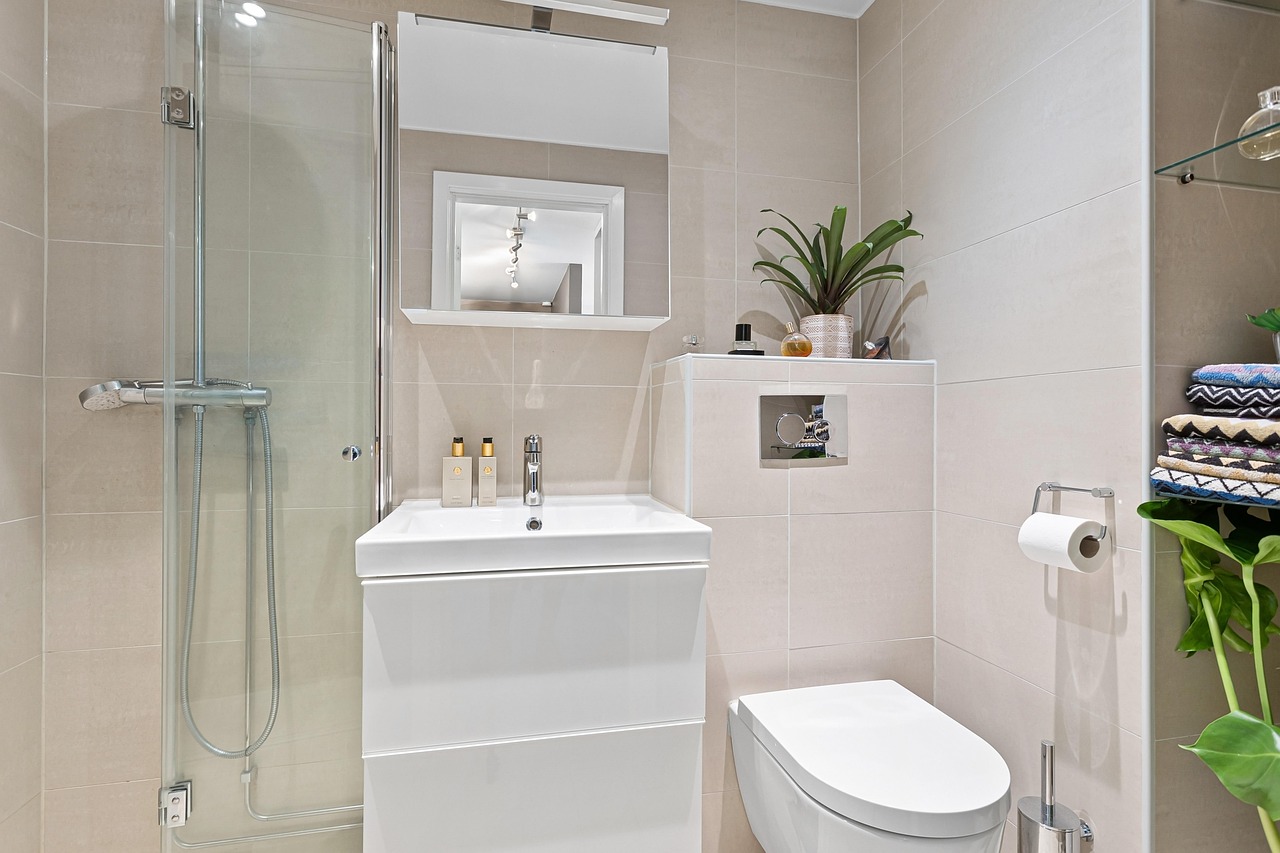
In historic districts, ADU installation requires a nuanced understanding of design and preservation principles to seamlessly integrate modern additions with existing structures. The goal is not merely to adhere to architectural styles of the past but to respect the unique character and heritage of the district. Best ADU designs for historic preservation focus on subtle, complementary aesthetics that blend the new with the old. Choosing materials, colors, and detailing that echo the original architecture ensures the ADU feels like a natural extension rather than a jarring addition.
Accessibility modifications are a critical aspect of ADU in historic districts. While preserving the original architectural integrity, these modifications must comply with modern accessibility standards. Local ADU permitting regulations often provide guidelines on how to make essential accommodations, such as ramp installations or door widening, while maintaining the historic character. Architects and contractors must work closely with local building departments and historic preservation societies to ensure these modifications are approved and executed thoughtfully.
Community engagement and support are vital throughout the process. Local ADU permitting regulations may include requirements for community workshops or public consultations to gather feedback and address concerns. Involving community organizations and local support groups ensures that the ADU installation respects the needs and desires of the surrounding neighborhood. Online forums and directories can facilitate this engagement, providing a platform for open dialogue and collaborative problem-solving.
Preservationists advocate for design approaches that prioritize the original intent and significance of the historic district. This may involve working with general contractors who specialize in both historic preservation and modern construction techniques. The result is a meticulously crafted ADU that not only complies with local regulations but also enhances the district's cultural and architectural value. By carefully considering these design and regulatory aspects, it is indeed possible to achieve successful and respectful same-day ADU installations in historic districts.
Choosing the Right Construction Team for Historic Districts
Selecting a skilled construction team is crucial when considering a Same-Day ADU (Accessory Dwelling Unit) installation in a historic district. These areas are often governed by strict zoning laws and design guidelines aimed at preserving the unique character of the neighborhood. As such, the ADU-in-historic-districts process requires a nuanced understanding of both local regulations and architectural sensitivity.
When evaluating potential contractors, it's essential to look for those who specialize in or have experience with historic district ADU projects. This expertise ensures they comprehend the challenges and opportunities these settings present. Modifications to make a space accessible for individuals with disabilities, while adhering to historic district ADU zoning laws, require a delicate balance. The contractor should be able to demonstrate a history of successfully navigating these complexities, from design to completion.
Interior design matters in blending the new ADU with the existing historic home. A competent team will understand the importance of preserving the original architectural style while adding modern comforts and accessibility features. They should be able to offer tailored solutions that enhance the property's value and respect its historical significance. Incorporating sustainable and eco-friendly practices, often encouraged in historic districts, can be seamlessly integrated into the ADU design without compromising its character.
Lastly, choose a team that fosters open communication with local building departments, historic preservation societies, and community organizations. This collaboration ensures a smoother approval process and minimizes potential delays. They should be attuned to the community's needs and goals, aligning the ADU project with the district's unique identity and character.
Materials and Techniques for Preservation-Friendly ADUs
When considering ADU installations in historic districts, the focus shifts from standard construction to preservation-friendly practices. Materials and techniques play a crucial role in minimizing the impact on the existing historical fabric. Architects and contractors often collaborate with local design guidelines and historic preservation societies to ensure compliance with zoning codes. Using reclaimed or locally sourced materials can help maintain the neighborhood's aesthetic and ecological balance.
Soundproofing is a critical aspect of ADU construction, especially in dense historic districts where noise can travel between properties. Proper insulation and specialized sound-absorbing materials can mitigate echo and noise levels without compromising the unit's comfort. This consideration is not just about adhering to local regulations but also about fostering harmony within the community. Many historic districts have strict guidelines on material choices and construction methods to preserve the unique character of the area.
Cost analysis for historical district ADUs requires a nuanced approach. While the initial investment might be higher due to specialized materials and labor, long-term savings can be realized through energy efficiency measures and reduced maintenance. Local support groups and online forums can provide valuable insights and resources for navigating these challenges. Community workshops often offer advice on affordable and sustainable design options, and online directories can connect homeowners with trusted local contractors experienced in historic district renovations.
Community engagement is key to successful ADU installation in historic districts. By involving neighbors and relevant organizations early in the process, potential issues can be addressed proactively. This collaborative approach not only ensures compliance with local regulations but also builds consensus within the community, fostering a sense of shared responsibility for preserving the district's unique character.
Construction Timeline: Optimizing for Same-Day Completion

Optimizing the construction timeline is crucial when aiming for same-day ADU (Accessory Dwelling Unit) installation in historic districts. While a single-day completion might seem ambitious, experienced top-rated ADU builders in historic districts have developed strategies to make this a feasible goal. The key lies in efficient project management, streamlined permitting, and the use of prefab or modular components.
Many historic districts have strict zoning codes and design guidelines, which can significantly impact the ADU installation process. To ensure a same-day finish, builders must obtain necessary permits swiftly. This often involves proactive communication with local building departments and zoning boards, providing detailed plans and seeking early approval. Pre-application workshops and online forums can offer valuable insights into the permitting process, enabling homeowners to prepare essential documents in advance.
Designing ADUs for small spaces within historic districts requires creativity and innovation. Builders and architects can employ clever space-saving techniques and utilize modular construction to expedite the build. ADU design ideas for small spaces often focus on maximizing natural light, incorporating functional storage solutions, and creating a cohesive aesthetic that complements the surrounding historic architecture. Once the design is finalized, general contractors coordinate with subcontractors to ensure all aspects of the installation, from foundation to finish, are completed efficiently.
To ensure a successful same-day ADU installation, homeowners should consider the following tips: engage experienced builders familiar with local regulations, prioritize clear communication, and be prepared for potential delays. While an ambitious goal, same-day ADU installation in historic districts is achievable through careful planning, expert collaboration, and a strategic approach to design and construction.
Legal and Safety Compliance in Historic Areas

Installing an Accessory Dwelling Unit (ADU) in a historic district presents unique challenges beyond the typical construction project. Beyond ensuring structural integrity and adherence to modern building codes, homeowners must navigate a web of local regulations and historical preservation guidelines. Every action must be approved by the local Building Department and Zoning Board, who enforce the specific zoning codes and design guidelines for these areas. These guidelines are in place to maintain the aesthetic and cultural integrity of the district, ensuring that any new construction blends seamlessly with existing structures.
ADU-in-historic-districts often require detailed architectural drawings that not only meet contemporary building standards but also respect the period and style of the main residence. Architects and general contractors specializing in historic preservation are invaluable here, offering ADU design ideas for small spaces tailored to the specific character of the district. These designs must be approved by the Historic Preservation Societies, who act as guardians of the district's heritage. Homeowners may also need to obtain permits from multiple agencies, adding layers to the permitting process.
ADU permitting tips for homeowners in historic districts focus on documenting the project's respect for historical architecture. This includes submitting detailed plans, cost estimates, and potentially even a historical impact assessment. Engaging with local ADU community support groups can provide invaluable guidance throughout this process, connecting homeowners with experienced contractors, inspectors, and other residents who have successfully navigated these requirements. Online forums and directories can be powerful tools for accessing this support and staying informed about local regulations. By understanding the legal and safety compliance landscape, homeowners can ensure their ADU installation respects the history of the district while enhancing their living space.
Case Studies: Successful Same-Day ADU Installations
In the context of historic districts, ADU installation presents a unique blend of challenges and opportunities. Case studies of successful same-day ADU installations offer valuable insights into navigating these complexities. Trusted ADU renovation experts, schooled in the nuances of historic district ADU accessibility modifications, have demonstrated that timely construction is feasible while preserving the district's character.
One notable example involves a property owner who sought to add a modern, yet historically sensitive, ADU to their district. The process began with meticulous planning and consultation with local architects and preservationists. The design incorporated traditional elements that aligned with the district's aesthetic, while incorporating contemporary amenities. The key to their success? A streamlined construction process. By engaging a capable general contractor who specialized in both historic preservation and efficient building, they achieved a same-day installation. This involved pre-fabricated materials for certain components, minimizing on-site work, and leveraging advanced building techniques to ensure speed without sacrificing quality.
Another successful case involved a property with a challenging layout. The client wanted to add an ADU to increase rental income while maintaining the historic integrity of the main residence. The solution? A creative design that incorporated an affordable HVAC system tailored for ADUs, optimized space, and incorporated natural lighting. The project was completed in a single day, thanks to a team of experts who understood both the technical aspects of construction and the importance of preserving the district's unique character. This project also highlighted the significance of accessible modifications, ensuring the ADU met the needs of all residents while adhering to zoning codes.
These examples underscore the potential for same-day ADU installations in historic districts. The key to success lies in meticulous planning, the involvement of trusted experts, and innovative construction methods. By prioritizing both historical accuracy and modern convenience, property owners can create valuable, historically sensitive ADUs that contribute to the vibrancy of their communities.
The successful integration of ADUs into historic districts requires a nuanced understanding of both the built environment and local regulations. By navigating the unique design, construction, and approval processes, it's possible to achieve a same-day ADU installation. Key takeaways include leveraging local design guidelines, prioritizing preservation-friendly materials and techniques, and ensuring legal and safety compliance. Architects, general contractors, and community organizations play pivotal roles in this endeavor, collaborating to create affordable, sustainable, and historically-contextual ADUs. The case studies presented demonstrate that, with careful planning and the right support, same-day ADU installations can enrich historic districts while respecting their character and contributing to community well-being. Next steps for practitioners involve staying informed about local zoning codes, engaging with community workshops, and adopting green building practices to maximize the positive impact of ADUs in these valued areas.
Optimizing ADU Installation in Historic Districts
Same-day Accessory Dwelling Unit (ADU) installation in historic districts requires strategic navigation of regulatory and design challenges. Key steps include:
- Understand Regulations: Carefully review zoning codes and historic preservation guidelines unique to each district. These dictate size, style, and materials for a seamless blend with the area's heritage.
- Seek Expertise: Engage professionals experienced in historic district ADUs. They provide insights into licensing, design considerations, and permitting processes, ensuring compliance.
- Efficient Permitting: Obtain necessary permits early. Document thoroughly, communicate project scope clearly, and address concerns regarding historical integrity.
- Select Qualified Contractors: Choose licensed, experienced local contractors familiar with historic district renovations. This includes understanding local codes and necessary permits.
- Design Considerations: Incorporate space-saving techniques and modular construction for swift installation. Designs should respect the district's architectural style and historical context.
- Community Engagement: Involve neighbors and local organizations early to address concerns, build consensus, and foster a sense of shared responsibility for the district's character.
- Legal and Safety Compliance: Ensure adherence to building codes and historical guidelines. Engage with Historic Preservation Societies for detailed architectural drawings and historical impact assessments.
- Case Studies: Successful same-day installations offer valuable insights. Trustworthy experts in historic preservation and efficient building can achieve this, prioritizing both historical accuracy and modern amenities.