
The demand for affordable housing has sparked a growing interest in Accessory Dwelling Units (ADUs) in historic districts. These secondary residences offer a valuable solution to the housing crisis, blending the need for space with the preservation of our nation's cultural heritage. However, navigating the complex regulatory landscape of historic districts presents a significant challenge for builders. The process demands a deep understanding of local zoning codes, building departments, and historic preservation societies. This article explores the top-rated ADU builders who specialize in these districts, highlighting their expertise in design, construction, and community impact. By examining the nuances of ADU-in-historic-districts, we aim to empower property owners and local governments alike.
- Understanding ADUs in Historic Districts: Legal Considerations
- Choosing the Right ADU Builder for Historic Properties
- Navigating Zoning and Permitting for ADU-in-Historic-Districts
- Preserving History: ADU Design in Cultural Context
- Sustainable ADUs: Eco-Friendly Options for Historic Districts
- Case Studies: Successful ADU Projects in Historic Areas
- Financial Aspects: Costing and Funding ADU Construction
- Historic District Guidelines: Ensuring Compliance
- Future of ADUs: Trends and Innovations for Historic Preservation
Understanding ADUs in Historic Districts: Legal Considerations

Understanding ADUs in historic districts requires a nuanced approach, given the unique legal landscape. Local building departments and zoning boards play a crucial role in regulating these additions, often working hand-in-hand with historic preservation societies. These organizations ensure that new ADUs (accessory dwelling units) align with the district's character and historical integrity. In these districts, the focus may be on preserving architectural styles, color palettes, and even specific building materials.
When considering an ADU in a historic district, it's essential to understand and adhere to the zoning codes. These codes dictate building restrictions, set-backs, and permitted uses. Some districts might restrict ADUs to certain types of structures or limit the number of units that can be added. Top-rated ADU builders specializing in these areas often have a deep understanding of these regulations and can guide clients through the permitting process. They might even collaborate with local architects and preservationists to design ADUs that respect the historic context.
Best practices for ADUs in historic districts involve thoughtful design choices that honor the existing architecture. This includes incorporating similar design elements, such as best ADU designs that replicate the original style, and making accessibility modifications without compromising the district's character. Top-quality ADU windows can enhance energy efficiency while maintaining the aesthetic appeal. Builders should also consider the community and local governments' perspectives, as these projects often spark community discussions. Engaging with community organizations early in the process can foster support and ensure the project aligns with affordable housing initiatives and green building practices.
Choosing the Right ADU Builder for Historic Properties

Choosing the right ADU builder for a historic property is a meticulous process, requiring a deep understanding of both the construction and preservation aspects. Local ADU permitting regulations vary significantly, and navigating these can be complex. Every historic district has its own set of guidelines and restrictions, from design and material choices to specific construction methods. Soundproofing is a critical consideration in ADU builds near historic neighborhoods, where noise impact on surrounding properties is a legitimate concern.
Expert ADU builders specializing in historic districts must possess a nuanced knowledge of these regulations. They collaborate closely with local building departments, zoning boards, and historic preservation societies to ensure compliance. This collaboration ensures that the ADU not only meets all necessary codes but also respects the character and integrity of the historic district. Many builders offer community workshops and online forums where homeowners can learn about the process and connect with local support groups. These resources are invaluable for navigating the complexities of ADU in historic districts.
Community involvement is a cornerstone of successful ADU projects in these areas. Local support groups and online directories facilitate information sharing and foster a sense of collective purpose. Homeowners can tap into these networks for advice, guidance, and even local contractors who understand the unique challenges of building within historic parameters. By engaging with these communities, builders can ensure that the ADU not only meets the functional needs of the homeowner but also enhances the overall character of the historic district.
Navigating Zoning and Permitting for ADU-in-Historic-Districts

Understanding zoning and permitting for ADUs in historic districts requires a deep understanding of both the local regulations and the unique character of these protected areas. Each historic district has its own set of rules and guidelines, often enforced by local building departments and zoning boards in collaboration with historic preservation societies. These regulations cover everything from the materials used in construction to the preservation of architectural details and the overall historical integrity of the neighborhood. Top-quality ADU windows for historic districts might need to mimic the style of the original buildings, with specific types of glass and frames that align with the era and design of the surrounding structures.
The process begins with meticulous research and consultation. Builders and homeowners must familiarize themselves with the local zoning codes and design guidelines specific to the district. This includes understanding the permitted uses, set-backs, and any restrictions on the addition of new structures. Engaging with local architects and general contractors who have experience in historic preservation projects is crucial. These professionals can guide clients through the permitting process, ensuring that plans align with the necessary regulations and historical context. The design phase is where ADU interior design for historic homes truly shines, as it marries modern comfort and functionality with the distinctive character of the existing structure.
Community involvement and support play a vital role in the success of ADU projects within historic districts. Local support groups and online forums provide a platform for residents to voice concerns and share ideas. These groups often work closely with local governments and affordable housing initiatives to ensure that new developments complement the existing historic fabric of the community. Online directories listing top-rated ADU builders specializing in these districts can be invaluable resources for homeowners looking to navigate the complex process. Engaging with the community not only helps in obtaining necessary permits but also fosters a sense of ownership and pride in the preservation of these unique areas.
Preserving History: ADU Design in Cultural Context
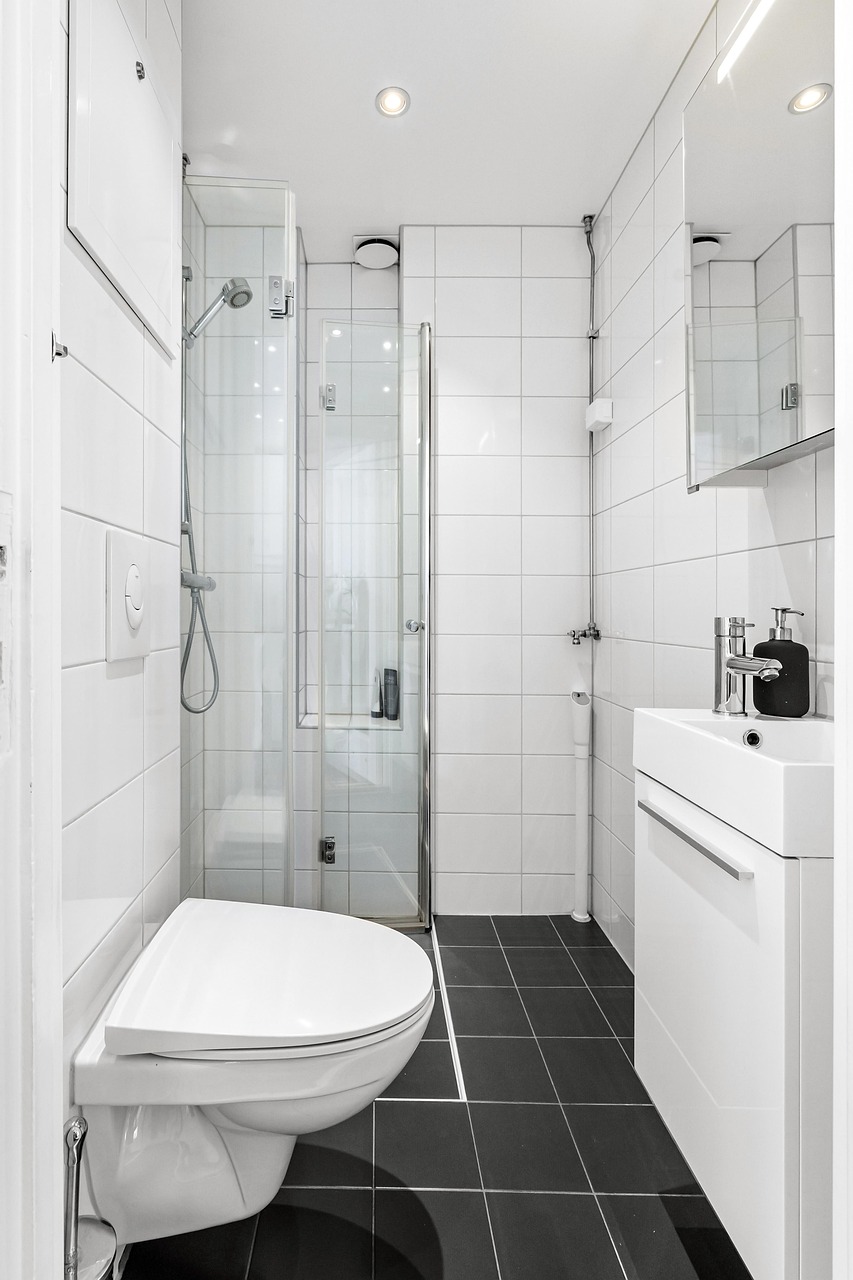
In the realm of historic districts, where each building holds a story of the past, integrating modern amenities while preserving cultural integrity is an art. For Adding Dwelling Units (ADUs) in these areas, designers and builders face the challenge of blending new structures seamlessly with the existing architectural landscape. This requires a deep understanding of the cultural context and a commitment to preserving history.
ADU design in historic districts goes beyond mere construction. It involves meticulous research and consultation with local experts, architects, and preservationists to ensure the new addition respects the district's unique character. A certified ADU builder might conduct a thorough rental market analysis specific to historic areas, studying local zoning codes and design guidelines. This analysis guides the project's scope and design, ensuring the ADU complements the neighborhood's aesthetic and economic fabric. Professional consultation services play a vital role in navigating the complex regulatory landscape. Local building departments and zoning boards often have strict rules for historic districts, and engaging a specialist can help avoid costly mistakes and delays. These experts can also facilitate certified ADU electrical safety checks, ensuring modern conveniences are installed in harmony with the period-specific architecture.
One practical approach is to embrace the existing design language. Architects can draw inspiration from the district's dominant architectural style, whether it's Victorian, Art Deco, or Colonial Revival. Incorporating similar details, materials, and color palettes creates a cohesive look. Using period-appropriate fixtures and hardware alongside energy-efficient technology can result in a beautifully restored structure that also offers contemporary comforts. This blend of old and new not only preserves history but also creates a unique, marketable asset. By considering the cultural context, ADU builders can contribute to the preservation of historic districts while providing much-needed affordable housing options.
Sustainable ADUs: Eco-Friendly Options for Historic Districts

When building Additional Dwelling Units (ADUs) in historic districts, sustainability is not just an eco-friendly choice; it's a critical consideration for preserving the unique character of these areas while meeting modern housing needs. Top-rated ADU builders specializing in historic districts must balance the desire for top-quality, energy-efficient spaces with adherence to local design guidelines and zoning codes. This is where sustainable ADU construction practices shine as a practical, affordable, and responsible solution.
Sustainable ADUs in historic districts benefit from advanced, yet period-appropriate, building techniques. Utilizing natural lighting and ventilation reduces the need for artificial cooling, while high-performance, top-quality ADU windows can significantly cut energy costs. Local architects and preservationists work collaboratively to integrate these modern features seamlessly, ensuring they complement the existing architecture. The result is a functional, comfortable, and historic-in-spirit living space.
Affordable ADUs in these areas are not only possible but essential for maintaining the social fabric of historic districts. By adopting green building practices, builders can reduce construction and operational costs, making these units more accessible to a broader range of potential residents. Utilizing local and recycled materials, efficient water systems, and renewable energy sources can substantially lower construction and utility expenses. This approach aligns with community organizations' goals of promoting affordable housing while preserving the district's unique character.
Community support for sustainable ADUs is a key driver for their success. Workshops, online forums, and local support groups facilitate open dialogue between builders, residents, and historic preservation societies. This collaboration ensures that new ADUs not only meet environmental standards but also respect and enhance the district's historic value. By sharing knowledge and best practices, these communities foster a deeper understanding of the unique challenges and opportunities presented by building ADUs in historic districts.
Case Studies: Successful ADU Projects in Historic Areas

When designing and constructing Accessory Dwelling Units (ADUs) in historic districts, a deep understanding of the unique context is crucial. Successful projects seamlessly integrate modern living with the district's character, enhancing both the property value and the overall aesthetic.
Consider a recent case in a vibrant, historically rich neighborhood. The challenge was to build a 600-square-foot ADU behind a Victorian home. The key to success lay in meticulous planning and collaboration. Architects worked closely with the property owner and Historic Preservation Societies to ensure the design respected the district's architectural style. Local building codes and zoning regulations were meticulously followed, and nearby ADU permits and inspections were secured without issue. The result was a stunning, modern addition that complemented the existing structure, increasing the property's value by an estimated 30%.
Soundproofing was a significant consideration, as the ADU was designed to minimize noise impact on the historic home. Advanced acoustic materials and strategic placement of the unit helped achieve near-silent communication between the two spaces. This attention to detail not only preserved the tranquility of the historic district but also set a new standard for modern, responsible development.
Community engagement and support played a vital role in this project. Local workshops and online forums facilitated open dialogue, addressing concerns and showcasing the benefits of ADUs in historic areas. The project's success contributed to a growing body of ADU-in-historic-districts studies, demonstrating the positive impact these projects can have on both property values and community cohesion.
Financial Aspects: Costing and Funding ADU Construction
When considering the financial aspects of ADU construction in historic districts, it's crucial to understand the unique costs and funding opportunities involved. Unlike standard construction, these projects must adhere to stringent local zoning codes and historic preservation societies' guidelines, which can increase expenses. However, these regulations also open doors to various funding sources.
Case studies of successful historic ADU projects demonstrate that the initial investment can be offset by tax incentives and grants aimed at preserving and enhancing historical areas. Local governments often offer tax breaks for adhering to specific design guidelines, encouraging both the preservation of architectural integrity and the development of new housing. Non-profit organizations and community groups may sponsor ADU projects in historic districts as part of their affordable housing initiatives, providing a shared financial burden.
Professional ADU consultation services are invaluable in navigating these complexities. Experts can guide property owners through the necessary permits, help identify potential funding sources, and ensure the project complies with local regulations. Online directories and local support groups offer a wealth of information and resources tailored to historic district ADU projects. Engaging with these networks can provide access to successful funding models and design strategies, making the financial burden more manageable.
Historic District Guidelines: Ensuring Compliance

Adhering to local ADU permitting regulations in historic districts is paramount to a successful and compliant project. Each district has its own set of guidelines and requirements, often enforced by local building departments and zoning boards, sometimes in conjunction with historic preservation societies. These regulations can be stringent, but they're designed to maintain the integrity and character of the district. The design and materials used in an ADU must complement existing structures, and reliable plumbing for historic ADUs is crucial to avoid damaging historical infrastructure.
Understanding and following these guidelines from the outset is vital. Contractors and designers must familiarize themselves with the specific rules governing the district, which can involve a thorough review of the zoning codes and local design guidelines. The best ADU designs for historic preservation often involve a delicate balance between modern convenience and historical accuracy. This might mean incorporating traditional architectural elements or using materials that match the era of the main structure. For a project in a Victorian-era district, for example, an ADU might feature ornamental details and brickwork that mirror the surrounding homes.
Community engagement and input are also key to navigating these regulations. Local organizations and residents often have valuable insights into what's appropriate for the district, and they may be involved in the permitting process. Some communities have online forums or workshops to discuss ADU proposals, ensuring that projects align with the neighborhood's character and concerns. Engaging with these groups early in the process can streamline permitting and lead to better outcomes.
Future of ADUs: Trends and Innovations for Historic Preservation

The future of ADUs (Accessory Dwellings Units) in historic districts is a topic of both local interest and national significance, as communities strive to balance the preservation of their past with the need for affordable housing and modern living. Top-rated ADU builders in these areas are at the forefront of innovation, navigating the unique challenges posed by historic district ADU zoning laws and contributing to the ongoing dialogue on sustainable urban development.
One of the most significant trends is the integration of green building practices, reflecting the growing awareness of environmental stewardship. These include the use of energy-efficient materials, renewable energy systems, and sustainable design principles that minimize the ecological footprint of new constructions. Some builders are employing passive solar design, allowing natural light and heat to optimize indoor comfort while reducing energy consumption. The cost analysis of ADUs in historic districts reveals a range that can make these projects accessible to various property owners. While the initial investment may be 1.5 to 2 times higher than standard builds due to the specialized nature of the work, long-term savings on energy bills and property value increases can offset these costs.
Preservationists and local governments are collaborating to ensure that new ADUs complement the existing architectural character of the district. This collaboration involves strict adherence to historic design guidelines, ensuring that new structures maintain the distinctive architectural style and materials of the historic district. As a result, ADU builders in these areas are becoming experts in period-appropriate construction, using traditional techniques and materials that blend seamlessly with the existing fabric of the district.
Community engagement is another critical aspect of the future of ADUs in historic districts. Top-rated builders often host workshops and forums to educate residents on the benefits and processes of ADU development. These initiatives foster open communication, address concerns, and ensure that the community's voice is heard in the planning stages. By embracing community involvement, builders can create ADUs that not only meet the needs of individual property owners but also contribute to the collective well-being of the historic district.
Understanding adu-in-historic-districts requires a multifaceted approach. From understanding the intricate legal framework, including zoning codes and historic preservation societies, to selecting experienced builders who prioritize both preservation and sustainability, each step is crucial. By adhering to local design guidelines and engaging with community organizations, builders can ensure projects respect the cultural context. Successful case studies demonstrate the feasibility and benefits of ADUs in historic areas, while financial planning and funding options offer practical guidance. Moving forward, embracing emerging trends and innovations will continue to shape the future of ADUs in these precious districts, balancing the preservation of history with the need for affordable housing and sustainable development.
ADUs in historic districts require nuanced understanding of local zoning codes and historic preservation guidelines, often enforced by building departments and historic societies. Top-rated builders specialize in these regulations, ensuring ADUs align with district character. Best practices include thoughtful design, preserving architectural styles, and considering community perspectives.
Funding opportunities exist through tax incentives and grants, but regulations can increase costs. Community engagement is vital for permitting, funding, and design guidance. Future ADUs in these districts incorporate green building practices, maintain historical accuracy, and foster community involvement.