In the heart of many cities, historic districts stand as testaments to the past, requiring careful preservation while adapting to modern needs. Within these districts, Accessory Dwelling Units (ADUs) offer a solution to housing shortages and increased livability, but they present a unique challenge: balancing preservation of historical architecture with the need for energy-efficient insulation. This article explores cost-effective insulation strategies specifically tailored for ADUs in historic districts, addressing both the cultural and environmental significance of these structures. By examining local regulations, design considerations, and community impact, we provide a practical guide to preserving history while enhancing energy efficiency through smart insulation choices.
- Understanding ADU Energy Efficiency in Historic Districts
- Why Historic Districts Need Cost-Effective Insulation
- Insulation Types for ADUs: Traditional vs. Modern
- Preserving History: Regulating ADU Insulation in Historic Areas
- Measuring Energy Savings: Case Studies of ADU Insulation
- Step-by-Step Guide: Installing Insulation in Historic ADUs
- Incentives and Grants for Cost-Effective ADU Insulation
- Best Practices for Maintaining Historic Integrity While Insulating ADUs
- Future Trends: Sustainable Insulation for Historic District ADUs
Understanding ADU Energy Efficiency in Historic Districts
In historic districts, adding affordable emergency ADU solutions while preserving architectural integrity presents unique challenges. ADUs (Accessory Dwellings Units) are a popular strategy to maximize space and address housing shortages, but integrating them into historic structures requires careful consideration of both design and energy efficiency. Understanding the energy performance of ADUs in these contexts is crucial, as it directly impacts both the sustainability of the building and long-term operational costs.
The energy efficiency of ADUs in historic districts is a multifaceted issue. Case studies of successful projects reveal that achieving high energy performance is feasible while maintaining the authentic character of these buildings. Projects utilizing modern insulation techniques and materials have demonstrated significant energy savings without compromising the historic fabric. Energy-efficient ADU insulation options include specialized foam products designed to fit tight spaces and preserve the building's original aesthetic. These materials, when installed correctly, can provide excellent thermal resistance while allowing for proper air flow, preventing moisture issues, and maintaining the building's historic charm.
Local building departments and historic preservation societies play a vital role in ensuring that ADU additions are in harmony with the district's character. Zoning codes and design guidelines often specify permitted insulation materials and installation methods to maintain the integrity of the historic structure. Architects and general contractors specializing in these projects understand the importance of adhering to these guidelines while incorporating innovative energy-saving solutions. By carefully selecting insulation products and employing best practices, it's possible to create well-insulated ADUs that blend seamlessly with the historic environment.
Community support and awareness are also key to the success of ADU projects in historic districts. Workshops and online forums provide platforms for residents to learn about the benefits and challenges of ADU development, fostering understanding and encouraging collaboration. Local support groups can offer guidance on navigating regulatory processes and selecting appropriate insulation options, ensuring that ADUs in these areas not only meet energy efficiency standards but also contribute to the overall sustainability and character of the historic district.
Why Historic Districts Need Cost-Effective Insulation
Historic districts present a unique challenge for energy efficiency and insulation for Additional Dwelling Units (ADUs). These areas are often characterized by strict preservation guidelines, making the integration of modern, energy-saving features delicate and demanding. In the context of ADUs, cost-effective insulation is crucial for both the preservation of historical integrity and the achievement of energy efficiency goals.
The primary goal is to maintain the authentic character of the district while ensuring the comfort and safety of residents. Best practices for ADU design in historic preservation emphasize blending new structures seamlessly with the existing historic fabric. Licensed ADU contractors near me who specialize in these areas often employ creative solutions. They might use materials and techniques that replicate the look and feel of traditional construction, such as brick or wood cladding, while incorporating modern insulation technologies. This approach not only maintains the district's aesthetic appeal but also provides superior thermal performance.
A historical district ADU cost analysis reveals that while initial investment may be higher than conventional construction, long-term savings are significant. Energy-efficient insulation, when combined with other green building practices, can lead to substantial reductions in heating and cooling costs. Many local governments and community organizations offer incentives and grants for affordable housing initiatives that incorporate sustainable features. These incentives can make cost-effective insulation a more attainable option for property owners and developers.
Community engagement and support play a vital role in the success of these projects. Online forums and local support groups facilitate knowledge-sharing among residents, architects, and contractors. They provide a platform for discussing best ADU designs for historic preservation, troubleshooting challenges, and celebrating successful implementations. By fostering collaboration, these communities contribute to the overall success of cost-effective insulation projects in historic districts, ensuring that both history and energy efficiency are preserved for future generations.
Insulation Types for ADUs: Traditional vs. Modern
When considering insulation for ADUs in historic districts, homeowners face a unique challenge: preserving the building's historical integrity while enhancing energy efficiency. Traditional and modern insulation options each present advantages and considerations.
Traditional Insulation: Historically, materials like wool, cellulose, and mineral wool have been used for their proven effectiveness and compatibility with older structures. These options offer excellent R-values, crucial for maintaining indoor temperatures. However, they may require more maintenance and can be less air-tight, potentially leading to drafts and increased heating/cooling costs. In ADUs, where space is often limited, proper installation is paramount. Homeowners should consider working with local experts who understand the nuances of historic district codes and can provide ADU permitting tips for homeowners seeking traditional insulation solutions.
Modern Insulation: Fiberglass, foam, and spray foam insulation represent contemporary options known for their high R-values and air-tight seals. These materials are lightweight, easy to install, and can significantly reduce energy consumption. Spray foam can fill hard-to-reach spaces, ensuring optimal insulation. Yet, modern insulation may not be suitable for all historic districts. Homeowners must consult local ADU permitting regulations and consider the building's architectural style and original materials. Engaging with contractors familiar with affordable HVAC systems for ADUs and local ADU permitting processes can help navigate these complexities.
The choice between traditional and modern insulation for ADUs in historic districts hinges on balancing energy efficiency and historical preservation. Homeowners should weigh the pros and cons of each type, considering their building's specific needs, local regulations, and available expertise. By doing so, they can ensure their ADU is both energy-efficient and in harmony with its historical surroundings.
Preserving History: Regulating ADU Insulation in Historic Areas
In historic districts, the careful preservation of architectural integrity is paramount. For adding affordable emergency ADU solutions, professional consultation is crucial to ensure compliance with local zoning codes and historic preservation societies. These organizations, along with local building departments, play a vital role in regulating the construction and insulation of ADUs to maintain the unique character of the area.
In historic districts, standard ADU insulation options may not be suitable due to aesthetic and historical considerations. Traditional insulation materials and methods could alter the building's original design and materials. As such, energy-efficient ADU insulation options are encouraged to preserve the district's historical integrity while reducing energy consumption. Preservationists and architects often collaborate to design ADUs that incorporate innovative, yet period-appropriate, insulation techniques. This might include the use of natural, non-intrusive materials like cellulose or recycled fibers, which can be tailored to meet modern energy efficiency standards.
Community organizations and local governments play a supporting role by offering workshops and online forums where homeowners can access professional ADU consultation services. These resources help residents navigate the process of installing ADU insulation while adhering to strict historic district regulations. By fostering open communication and providing accessible guidance, these initiatives ensure that new ADUs enhance, rather than disrupt, the historic fabric of the community. The result is a well-preserved district with improved energy efficiency, demonstrating a harmonious balance between progress and preservation.
Measuring Energy Savings: Case Studies of ADU Insulation
In the context of historic district ADUs, measuring energy savings through effective insulation is a critical component of both preserving historical integrity and enhancing energy efficiency.
Local ADU permitting regulations and historic district zoning laws can impact insulation choices. However, they also require careful navigation of local building departments and historic preservation societies to ensure compliance with both energy codes and historic preservation guidelines. Architects and contractors specializing in historic district ADUs can play a crucial role in selecting appropriate insulation materials that meet both modern energy standards and the aesthetic requirements of the district.
The process begins with assessing the specific needs of the ADU, considering factors like climate, orientation, and existing construction. Preservationists and local design guidelines offer valuable insights into what types of insulation materials are both effective and historically appropriate. In warmer climates, reflective roofs and walls can help mitigate heat gain, while in colder regions, high-R-value insulation in walls, attics, and floors is essential. General contractors experienced in these projects can oversee the installation, ensuring both the quality and integrity of the work.
Community organizations and local governments often collaborate to promote green building practices, including proper insulation in ADUs. Affordable housing initiatives and green building practices can benefit from energy-efficient ADUs, providing cost-effective housing options while reducing the environmental footprint. Online forums, workshops, and local support groups offer ADU owners valuable resources for learning best practices, sharing experiences, and accessing local expertise, ultimately contributing to the overall success and sustainability of these historic district additions.
Step-by-Step Guide: Installing Insulation in Historic ADUs

Adding insulation to your historic ADU is a crucial step in balancing historical preservation and energy efficiency. While maintaining the building's original character, proper insulation can significantly reduce energy costs, ensuring your ADU is comfortable and sustainable. Here's a detailed, step-by-step guide tailored for ADUs in historic districts, leveraging the expertise of trusted ADU renovation experts and best practices for cost-effective construction.
Assess the Space and Choose the Right Insulation: Before you begin, carefully examine the ADU's layout and identify areas requiring insulation, such as walls, attics, and floors. For historic districts, consider the building's unique construction methods and materials. Traditional materials like brick and wood frame structures may need specialized insulation solutions. Look for products labeled as historically accurate or compatible with older buildings. Mineral wool insulation, made from natural fibers, can be an excellent choice for its R-value and ease of installation while preserving the building's aesthetic.
Install Insulation Properly:
- For Walls: Use a suitable insulation material, such as blown-in fiberglass or cellulose, installed between wall studs. Ensure it is properly compressed and fills all cavities for maximum efficiency.
- Attic Insulation: In historic districts, access attics carefully to avoid disturbing original architectural details. Place insulation in the attic, focusing on the feet between joists for optimal performance.
- Floor Insulation: For floors, consider under-floor insulation or radiant heating systems if the structure allows. This method provides excellent efficiency while minimizing visual disruption.
Implement Certified ADU Electrical Safety Checks: As you work, it's crucial to prioritize safety, especially in older buildings. Have a certified electrician perform ADU electrical safety checks to ensure your electrical system is up to code and capable of handling any new energy demands brought on by improved insulation.
Final Touches and Verification: Once the insulation is installed, check for any air gaps or potential sources of heat loss around windows, doors, and other penetrations. Seal these areas with appropriate weatherstripping or caulk to maintain the energy efficiency gained through proper insulation. Regularly monitor the performance of your ADU to ensure the insulation remains effective over time.
Incentives and Grants for Cost-Effective ADU Insulation
In the context of ADU-in-historic-districts, energy-efficient insulation is a crucial element for maintaining both the building's historical integrity and its modern functionality. Many historic districts face a unique challenge for adding or modifying structures, such as Accessibility Modifications for ADUs, as they must adhere to strict preservation guidelines while incorporating modern conveniences like affordable HVAC systems. Fortunately, various incentives and grants are available to help offset the costs associated with cost-effective insulation and other energy-saving measures.
Local governments and preservation societies often offer financial assistance to encourage the preservation of historic architecture while promoting sustainability. These grants can cover a significant portion of the expenses related to proper ADU insulation, including the installation of high-performance insulation materials that meet or exceed local building codes. Some cities provide grants for the conversion of unused spaces into accessible ADUs, ensuring both historical continuity and improved energy efficiency. When selecting insulation materials, historic district ADU owners should consult with architects and contractors familiar with local preservation regulations. They can recommend products that blend with the existing structure while offering the necessary energy savings.
There are federal tax incentives for energy-efficient home improvements, which can be particularly valuable for ADU-in-historic-districts. The IRS offers tax credits for the installation of specific energy-efficient improvements, such as insulation, roofing, and HVAC systems. These incentives encourage the adoption of green building practices while providing a financial boost to homeowners. To take advantage of these benefits, local ADU contractors licensed to work in historic districts should stay updated on the latest guidelines and ensure their clients' projects meet the required standards. By combining these incentives with careful design and construction practices, historic district ADU owners can achieve both the preservation of their unique spaces and the cost savings of energy efficiency.
Best Practices for Maintaining Historic Integrity While Insulating ADUs
Maintaining the historic integrity of buildings in local historic districts is a delicate balance, especially when adding modern features like insulation to Accessory Dwelling Units (ADUs). The challenge lies in preserving the architectural character while enhancing energy efficiency, a crucial consideration for ADU property value impact studies. To achieve this, experts recommend a thoughtful approach that blends traditional design with innovative insulation practices.
For ADUs in historic districts, the first step is to consult local resources and historic district guidelines. Many communities offer online directories and workshops specifically tailored to these unique spaces. Architects and preservationists can collaborate to find design ideas for small spaces, ensuring the ADU fits seamlessly with the original structure. Using similar materials and colors can help the addition blend in, while incorporating modern insulation techniques can be done discreetly. Local building departments and zoning boards play a vital role in approving these alterations, so understanding and adhering to the zoning codes is essential.
One effective best practice is to choose insulation materials that match the historic aesthetic. Some preservationists advocate for natural, green building practices, recommending materials like cellulose or recycled fiber that offer excellent insulation without sacrificing authenticity. This approach not only maintains the historical character but also contributes to the community's environmental initiatives. Focusing on efficient air sealing alongside insulation can significantly reduce energy losses, enhancing the overall energy efficiency of the ADU without compromising its historic value. These dual strategies demonstrate a commitment to both preserving history and promoting sustainability, which can further increase the ADU property value.
Lastly, engaging local contractors familiar with historic districts is crucial. They can provide expert advice on balancing modern amenities with historic preservation, ensuring the insulation work is done correctly and respectfully. By following these practices, ADU property owners in historic districts can enjoy the benefits of enhanced energy efficiency while preserving the unique character of their communities.
Future Trends: Sustainable Insulation for Historic District ADUs
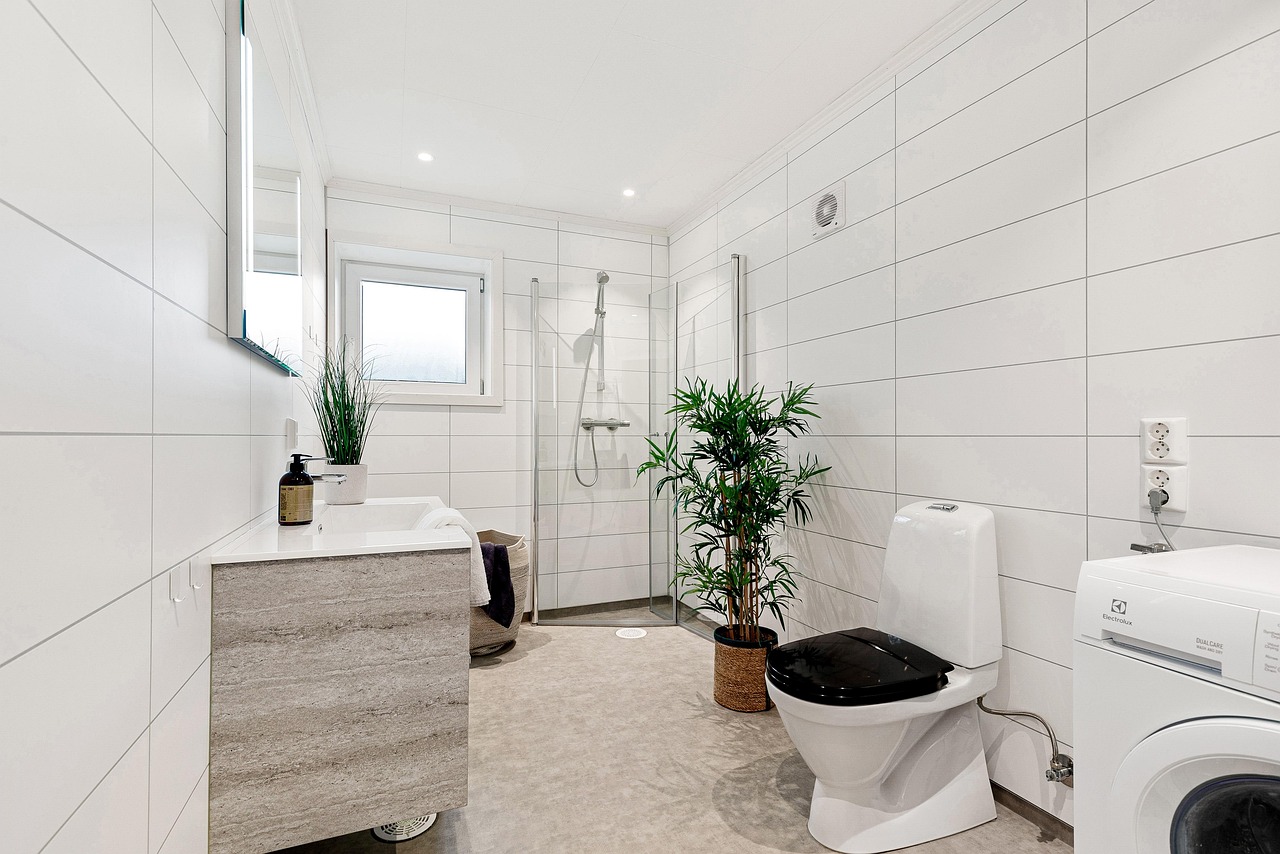
As the demand for emergency housing solutions in historic neighborhoods grows, so does the need for cost-effective insulation in ADUs. In these districts, where preservation of architectural and cultural heritage is paramount, ADU renovation experts must balance energy efficiency with historical integrity. Trusted professionals are leveraging sustainable insulation materials and techniques to meet both objectives, ensuring that these additional living spaces not only comply with historic district ADU zoning laws but also contribute to the overall environmental and economic well-being of the community.
Future trends in insulation for historic district ADUs are guided by a commitment to green building practices. Advanced materials designed to outperform traditional options are now available. Cellulose insulation made from recycled paper offers excellent R-values while minimizing environmental impact. Similarly, spray foam insulation provides a seamless, air-tight seal, enhancing energy efficiency and indoor air quality. These innovations allow ADUs to achieve the same level of comfort and energy savings as modern constructions while preserving the unique character of historic structures.
Expert guidance is essential for navigating the specific challenges of insulating ADUs in historic districts. Architects and preservationists work closely with contractors to select materials that align with local design guidelines. By understanding the unique requirements of these properties, professionals can ensure that insulation solutions not only meet energy efficiency standards but also maintain the aesthetic integrity of the district. Case studies of successfully insulated ADUs in historic neighborhoods demonstrate the feasibility and desirability of these sustainable practices.
Community engagement and education play a crucial role in the future of ADU insulation in historic districts. Online forums, community workshops, and local support groups facilitate knowledge-sharing among residents, property owners, and trusted ADU renovation experts. These collaborative efforts foster a collective understanding of the importance of energy-efficient, sustainable practices and ensure that the district's historical fabric remains intact for future generations.
Frequently Asked Questions About Cost-Effective Insulation for Historic District ADUs: Preserving History and Energy Efficiency
What is the significance of insulation in historic districts?
Insulation plays a crucial role in maintaining the historic integrity and energy efficiency of buildings in designated historic districts. Proper insulation helps regulate indoor temperatures, reducing the need for excessive heating or cooling. This is essential for preserving the original architectural character of these structures while also contributing to cost savings and environmental sustainability.
Can I use standard insulation materials in historic ADUs?
While standard insulation materials are readily available, their use in historic districts requires careful consideration. Traditional insulation methods may not align with the architectural style or materials used in the original structure. It's best to consult with a historic preservation expert or architect to recommend compatible insulation options that respect the building's historic significance.
How does cost-effective insulation impact energy efficiency in ADUs?
Cost-effective insulation strategies, such as using mass wall insulation or high-performance windows, can significantly improve energy efficiency in ADUs. These measures help control temperature extremes, reduce heat transfer, and minimize energy loss, resulting in lower utility bills and a smaller carbon footprint.
Are there any incentives for installing energy-efficient insulation in historic ADUs?
Yes, local historical societies, preservation organizations, and some utility companies offer incentives, grants, or tax credits for installing energy-efficient measures in historic buildings, including ADUs. These programs aim to encourage the preservation of historic resources while promoting sustainable practices.
What are some innovative insulation solutions for historic ADUs?
Innovative solutions include incorporating recycled materials like sheep's wool or cellulose insulation, using structural insulation panels (SIPS), or implementing passive solar design strategies. These approaches can enhance energy efficiency while preserving the building's unique character and historical value.
Who should I hire to install insulation in my historic ADU?
Hire a reputable contractor with experience in both historic preservation and energy-efficient construction. They should understand the specific requirements and constraints of working in historic districts and be able to provide expert advice and high-quality workmanship.
As we've explored, cost-effective insulation is a critical component for ADUs in historic districts, balancing energy efficiency with the preservation of architectural integrity. By understanding the specific regulations and design considerations unique to these areas, we can ensure that ADU insulation not only meets energy performance standards but also respects the historical character of the district. The case studies and step-by-step guide provided offer practical, actionable insights for professionals and homeowners alike.
Looking forward, sustainable insulation technologies offer promising prospects for enhancing both the energy efficiency and longevity of ADUs in historic districts. Incentives and grants, when leveraged, can significantly offset the initial installation costs, making cost-effective insulation more accessible.
The key takeaways are clear:
- Regulatory Awareness: Familiarize yourself with local building departments, zoning boards, and historic preservation societies to ensure compliance.
- Design Flexibility: Explore modern insulation techniques that respect traditional architectural elements while delivering superior energy performance.
- Practical Installation: Follow best practices and step-by-step guides for installing insulation in historic ADUs to preserve their unique character.
- Financial Support: Seek out incentives and grants to offset the cost of energy-efficient insulation, making preservation and efficiency mutually beneficial.
By implementing these strategies, we can contribute to the preservation of our nation's historic districts while enhancing the energy efficiency of ADUs, creating a sustainable and harmonious coexistence between past and present.
In historic districts, integrating energy-efficient ADU (Accessory Dwelling Unit) solutions requires careful consideration of both design and preservation. Local building departments, historic preservation societies, and community support play vital roles in ensuring ADU additions blend harmoniously with the district's character. By adhering to guidelines, selecting appropriate insulation options, and implementing best practices, ADU projects in historic districts can be both sustainable and respectful of the past.