The growth of urban living and the need for affordable housing have brought renewed focus on adding dwellings within existing historic districts-a delicate balancing act. ADUs, or Accessory Dwelling Units, offer a potential solution, providing both housing and preservation opportunities. However, understanding the financial landscape of ADU construction in these areas is crucial. The costs involved can vary greatly based on location, local regulations, and design considerations. This article offers an in-depth exploration of these variations, guiding readers through the complexities of ADU-in-historic-districts development, from navigating zoning codes with local building departments to adopting sustainable design practices that respect historical integrity. By the end, readers will have a comprehensive understanding of the key factors influencing ADU costs in these unique settings.
- Understanding ADU Regulations in Historic Districts
- Property Assessment: Cost Drivers for ADUs
- Permitting and Inspections: A Historic District Perspective
- Construction Costs: Breaking Down Expenses
- Material Considerations for Historic Preservation
- Labor Costs: Skilled Trades in Historic Areas
- Design and Architectural Services for ADU Additions
- Legal Fees and Zoning Consultation for ADU Projects
- Long-Term Savings and Benefits of ADU in Historic Districts
Understanding ADU Regulations in Historic Districts
Understanding ADU Regulations in Historic Districts
Navigating the legal landscape of ADUs (Accessory Dwelling Units) in historic districts requires a nuanced approach. Local Building Departments and Zoning Boards often have stringent rules in place to preserve the unique character of these areas. Historic Preservation Societies play a crucial role in ensuring that any new construction aligns with the district's historical and architectural integrity. In many historic districts, the design of ADUs must adhere to specific local guidelines, reflecting the area's distinct architectural styles.
One key consideration is the zoning code, which dictates permitted uses, building sizes, and set-backs. Architects and preservationists must work collaboratively to integrate ADUs in a way that respects the surrounding historic structures. The process often involves meticulous planning, including the use of ADU design ideas for small spaces, to maximize utility while minimizing impact. Local governments may also require community input, with community organizations and support groups providing valuable insights into the district's unique needs and character.
The cost analysis of ADUs in historic districts is significantly influenced by these regulations. Strict guidelines can lead to longer permitting processes and higher construction costs due to the need for specialized craftsmanship and materials. However, many historic districts also offer incentives for preserving affordable housing, such as tax breaks or grant programs. Understanding these local resources is crucial for anyone considering an ADU project in these areas. By staying informed about the regulations and leveraging available support, individuals can successfully navigate the process, contributing to the district's vibrant and sustainable future.
Property Assessment: Cost Drivers for ADUs
When evaluating the cost of adding an Accessory Dwelling Unit (ADU) in historic districts, property assessment plays a critical role in determining the overall price tag. Several factors influence the cost, reflecting the unique character of these areas while ensuring compliance with local zoning codes and historic preservation societies' guidelines.
One of the primary cost drivers is the complexity of the project, which can be significantly impacted by the existing structure and its historical significance. In historic districts, ADU construction may require meticulous attention to detail, particularly when integrating new spaces with the original architecture. Adhering to local design guidelines might necessitate employing specialized craftsmen and materials that can match or complement the period style. Any required structural modifications, such as soundproofing to meet modern noise standards while preserving the building's integrity, can add considerable expense. Licensed ADU contractors near me, experienced in these nuanced projects, command premium rates, reflecting their expertise and the specialized nature of the work.
Another significant factor is the property's location. The cost of land and the local market conditions directly impact the overall price. Historic districts, often characterized by prime real estate, can see substantial land values, which translate into higher ADU construction costs. The availability of services like water, electricity, and waste disposal, as well as any necessary infrastructure upgrades, can affect the budget. Extending existing utility lines to a remote historic property might require a substantial investment, especially when green building practices are prioritized.
Lastly, the size and scope of the ADU itself play a substantial role. Larger units, featuring full kitchens and bathrooms, will generally cost more due to increased material and labor requirements. Similarly, incorporating modern amenities, such as smart home technology or advanced energy efficiency measures, while respecting the historic character, adds complexity and expense. Best ADU designs for historic preservation, that balance contemporary needs with the preservation of architectural integrity, often command higher prices, reflecting their unique and valuable nature.
Permitting and Inspections: A Historic District Perspective

Adapting existing structures to accommodate Accessibility Modifications for ADUs (Accessory Dwelling Units) in historic districts presents a unique set of challenges and considerations. Local building departments and zoning boards within these districts are tasked with balancing the benefits of expanding housing options with the preservation of cultural heritage. The process often involves intricate negotiations between homeowners, architects, preservationists, and local authorities.
Permitting for ADUs in historic districts is typically governed by stringent zoning codes and design guidelines. Architects and builders must adhere to these guidelines, which often include specific requirements for maintaining the original character of the property. Sustainable ADU construction practices, such as incorporating energy-efficient systems and utilizing locally sourced materials, can be encouraged to harmonize with the district's existing architecture. The local Historic Preservation Society may play a crucial role in reviewing and approving plans, ensuring that any modifications are respectful of the district's historical significance.
Inspections in these areas are meticulous, focusing on both structural integrity and compliance with historical preservation standards. Local governments may offer resources and workshops to educate homeowners and contractors about the unique requirements of ADU construction in historic districts. These initiatives aim to foster a community-oriented approach, ensuring that new ADUs not only adhere to building codes but also contribute positively to the overall character of the neighborhood. By embracing sustainable practices and preserving the district's unique identity, ADUs in historic areas can provide much-needed affordable housing while maintaining the integrity of the community's cultural heritage.
Construction Costs: Breaking Down Expenses

Comparing ADUs in historic districts presents a unique set of challenges and opportunities, with construction costs varying significantly based on location, building age, and required renovations. Understanding these factors is crucial for anyone considering emergency housing solutions for historic neighborhoods.
In these districts, the cost of ADU construction often includes not just the physical buildout but also extensive historical preservation work. In older structures, the cost of reinforcing floors and walls to meet modern building codes while preserving the building's historical integrity can be substantial. Local building departments and historic preservation societies play a vital role in setting guidelines and regulations, ensuring that ADU installations align with the district's character. This meticulous process can drive up costs, especially when specialized contractors with expertise in both new construction and historical restoration are required.
Affordable HVAC systems for ADUs (1-3 times the cost of standard systems) are another significant consideration. Depending on the district's climate and building design, selecting energy-efficient, historically appropriate heating and cooling solutions can add 20-30% to the overall budget. However, these systems often provide long-term savings, both in operating costs and in maintaining the building's historical value. Community workshops and online forums offer valuable resources for understanding local pricing and identifying contractors who specialize in ADU installations within historic districts.
Local support groups and online directories can connect property owners with experienced general contractors who understand the unique needs of these projects. This premium reflects the specialized skills, materials, and strict adherence to zoning codes and local design guidelines required to maintain the district's character and preserve its historical value.
Material Considerations for Historic Preservation

When considering the material choices for ADUs in historic districts, the focus shifts from mere functionality to a harmonious blend of modern convenience and historical integrity. Every component, from the framing to the roofing, must align with the district's established character. Case studies of successful historic ADU projects highlight the importance of careful material selection. In many urban centers, these projects have transformed existing structures, preserving their original aesthetic while incorporating contemporary living standards.
Preserving the historical fabric requires a deep understanding of the local building department's regulations and the district's specific zoning codes. Local design guidelines often dictate material choices, color palettes, and even window styles. Architects and preservationists work collaboratively to interpret these guidelines in a way that accommodates modern needs without sacrificing the district's unique character. For affordable emergency ADU solutions, using readily available, locally sourced materials can be both cost-effective and historically sensitive.
Best practices for material considerations in historic ADU projects include using reclaimed or recycled materials where possible. These options not only align with sustainable building practices but also blend well with existing structures. Reclaimed wood can be incorporated into framing, flooring, or trim work, while recycled metal can serve as a subtle yet distinctive roofing material. Choosing low-maintenance finishes and fixtures ensures that the added units require minimal upkeep, preserving the overall historical appeal.
Community organizations and local governments often play a crucial role in supporting these projects. Workshops and online forums provide platforms for residents to share knowledge and resources, fostering a sense of collective stewardship for the district's preservation. By prioritizing material considerations and leveraging community support, ADUs in historic districts can thrive, offering both affordable housing solutions and a sign of the area's rich architectural heritage.
Labor Costs: Skilled Trades in Historic Areas
Labor costs in local historic districts are a critical factor when considering ADU-in-historic-districts projects. Skilled tradespeople, such as carpenters, masons, and electricians, are essential for the specialized work required to preserve the architectural integrity of these areas while incorporating new structures or renovations. The availability and rates of these skilled tradespeople can vary widely depending on the region and the current demand for their services.
In many historic districts, finding trusted ADU renovation experts can be challenging but rewarding. The demand for emergency housing solutions for historic neighborhoods has grown, driving up the demand for skilled labor. As a result, some districts may experience higher labor costs due to the scarcity of these specialists. Conversely, areas with robust local historic district ADU resources may enjoy more competitive pricing, as increased competition for projects can drive down labor rates.
When comparing ADU costs, it's crucial to consider the specific requirements of the project and the local market. A complex renovation project with intricate historic details might require more specialized labor, impacting the overall budget. Conversely, straightforward additions or modifications may be more cost-effective. Engaging with local contractors who specialize in historic preservation can provide valuable insights into the labor costs and potential project timeline, ensuring that the final budget reflects the true value of the work.
Design and Architectural Services for ADU Additions
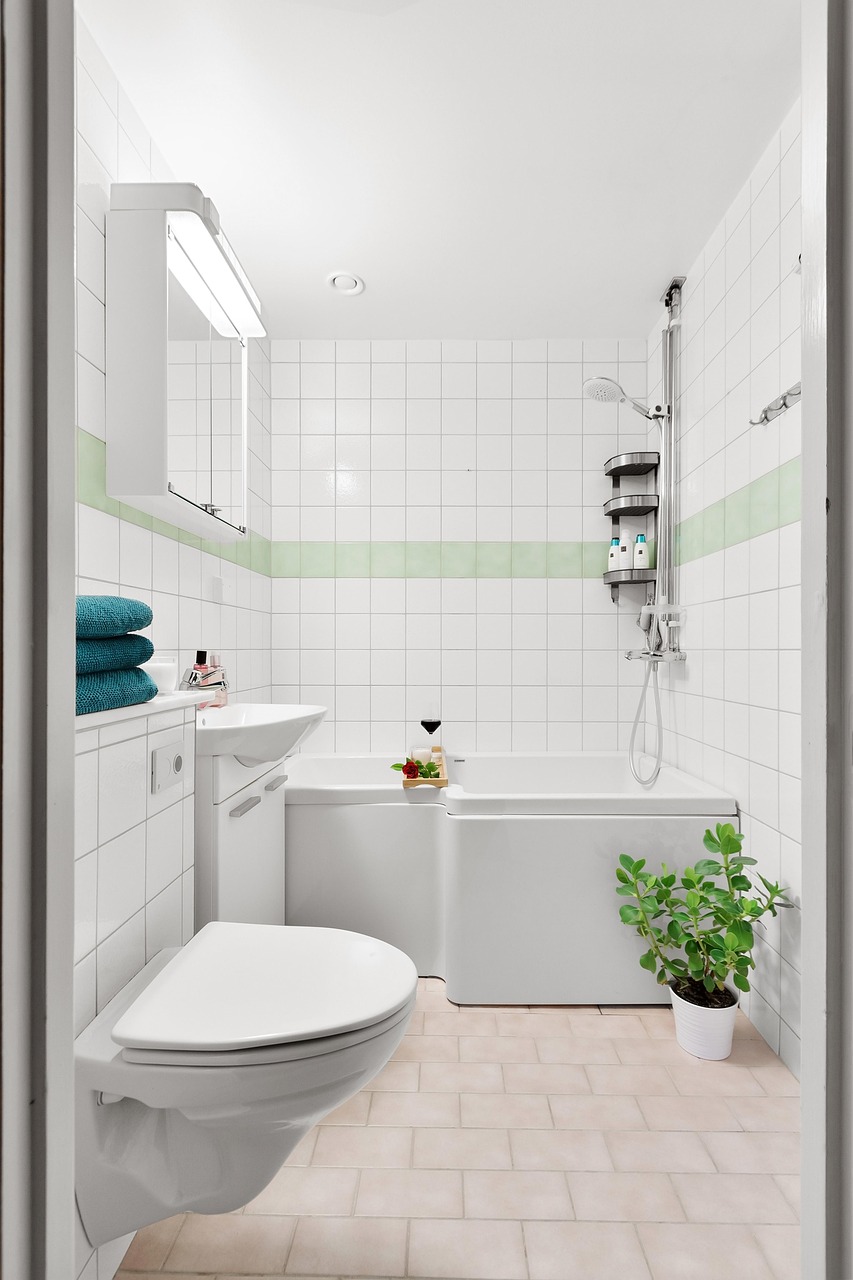
In the context of historic districts, designing and constructing ADUs requires a unique blend of architectural sensitivity and adherence to local zoning codes. The first step is to engage top-quality architects and designers who specialize in preserving historical aesthetics. These professionals understand the nuances of historic preservation societies and local design guidelines, ensuring the ADU complements the existing architecture without disrupting the district's character. Using traditional building materials, like local brick or wood, and mimicking historical window styles, can significantly enhance the integration of the addition.
Once the design is finalized, the next crucial component is high-performance window installation. Top-quality ADU windows for historic districts not only contribute to energy efficiency but also maintain the period look. Double- or triple-paned windows with low-e coatings can significantly reduce heating and cooling costs, which is essential for the long-term affordability of the ADU. Preservationists often recommend windows that closely resemble the original styles, whether they are casement, double-hung, or sash, to maintain the architectural integrity.
Heating, ventilation, and air conditioning (HVAC) systems are another area where thoughtful choices can balance comfort and affordability. Historic districts often present unique challenges for HVAC installation due to limited space and specific building codes. Efficient, affordable HVAC systems tailored for ADUs in historic districts can range from mini-split units to ductless heat pumps. These systems not only meet modern comfort standards but also respect the district's historical fabric. Engaging local contractors who specialize in both historic preservation and HVAC installation can help ensure these systems are seamlessly integrated.
Community workshops and online forums can be invaluable resources for homeowners looking to construct ADUs in historic districts. These platforms provide access to expert advice and best practices, ensuring that the design and construction process aligns with both local regulations and historical preservation goals. By leveraging these resources, homeowners can make informed decisions about their ADU, resulting in a well-designed, functional, and historically sensitive addition.
Legal Fees and Zoning Consultation for ADU Projects

When navigating the process of building an Accessory Dwelling Unit (ADU) in a historic district, understanding the legal fees and zoning consultation requirements is crucial. These costs can vary significantly depending on the specific location and complexity of your project. Beyond the construction and design phases, the permits and inspections needed for an ADU in a historic district can add several thousand dollars to the overall price tag. Nearby ADU permits and inspections in these areas often involve additional scrutiny due to the preservation of architectural and historical integrity.
Engaging with a team of experts, including architects and historic preservation specialists, is essential to ensure compliance with local zoning codes and historical district ADU cost analysis. Their services can range from several hundred to a few thousand dollars, depending on the complexity of the design and the specific requirements of your local building department. These professionals can help with everything from creating detailed floor plans to navigating the permitting process. For small spaces, ADU design ideas can be tailored to maximize functionality, incorporating creative storage solutions and versatile living areas.
The legal fees associated with ADU projects in historic districts can include application fees, permits, and any necessary variances or special approvals. Zoning consultation fees can vary widely based on the complexity of the project and the level of service required. Homeowners should budget for these costs as part of their overall ADU project expenses. Consulting with a legal expert who specializes in historic districts can help mitigate unexpected fees and delays. By proactively understanding these potential costs, homeowners can better prepare for the financial commitment involved in building an ADU in a historic district.
Long-Term Savings and Benefits of ADU in Historic Districts

While the upfront costs of building an Accessory Dwelling Unit (ADU) in historic districts can seem steep, a careful analysis reveals significant long-term savings and benefits. These include reduced energy consumption and lower utility bills, thanks to energy-efficient ADU insulation options that are becoming increasingly prevalent. Proper insulation and weatherization can cut heating and cooling costs by 20-30%, a substantial return on investment over time.
ADUs in these areas can contribute to a diverse and sustainable rental market. According to a recent local rental market analysis, ADUs in historic districts have seen a consistent demand, often with rental rates competitive with nearby apartments. This stability not only provides a reliable income stream for homeowners but also contributes to the affordability of living in these areas.
Another advantage lies in the preservation of historic character. Working with architects and preservationists who specialize in ADU design for small spaces ensures that the new unit seamlessly integrates with its surroundings. This not only maintains the aesthetic integrity of the historic district but can also add value to the property, with many buyers seeking out charming, unique homes that include an ADU.
To financial benefits, there are community and environmental impacts to consider. Local support groups and online forums can facilitate knowledge sharing and connect homeowners with local resources, fostering a sense of community. Green building practices incorporated into ADU construction contribute to a healthier environment, aligning with the goals of many historic districts focused on sustainability.
Navigating the complexities of adu-in-historic-districts involves a multifaceted approach. From understanding intricate regulations and property assessments to managing permitting, construction, and design, every step requires careful consideration. The article has demystified these processes, underscoring the significant cost drivers, including skilled labor, historic materials, and legal fees. By engaging with local building departments, zoning boards, and historic preservation societies, property owners can ensure compliance and maximize the long-term benefits of adding an ADU in these districts.
The value of this guide lies in its comprehensive breakdown of expenses, offering practical insights for budgeting and project planning. It highlights the environmental and community advantages of ADUs in historic districts, including affordable housing initiatives and green building practices.
Moving forward, readers are equipped with the knowledge to:
- Engage with local experts and support groups for community-based learning.
- Utilize online forums and directories for project resources and networking.
- Make informed decisions regarding design, materials, and labor choices.
By embracing the unique challenges and opportunities presented by adu-in-historic-districts, property owners can contribute to the preservation of these cherished areas while reaping the rewards of expanded living spaces.
ADU in Historic Districts: A Practical guide
- Regulatory Navigations: Local building departments and historic preservation societies heavily regulate ADUs in historic districts, requiring strict adherence to zoning codes and architectural integrity.
- Cost Considerations: Permitting, design, and construction costs are influenced by local guidelines, specialized craftsmanship, and historic preservation requirements, leading to potentially lengthy processes and higher expenses.
- Design & Construction: Engaging architects and designers who specialize in historic preservation ensures seamless integration of ADUs with existing structures. High-performance windows, energy-efficient systems, and creative design ideas for small spaces are key.
- Legal Fees & Zoning: Permits, inspections, and legal fees add to the overall cost. Consulting experts in zoning and historic districts can help mitigate unexpected expenses.
- Long-Term Benefits: ADUs in historic districts offer significant energy savings, stable rental income, preservation of character, community engagement, and environmental sustainability.